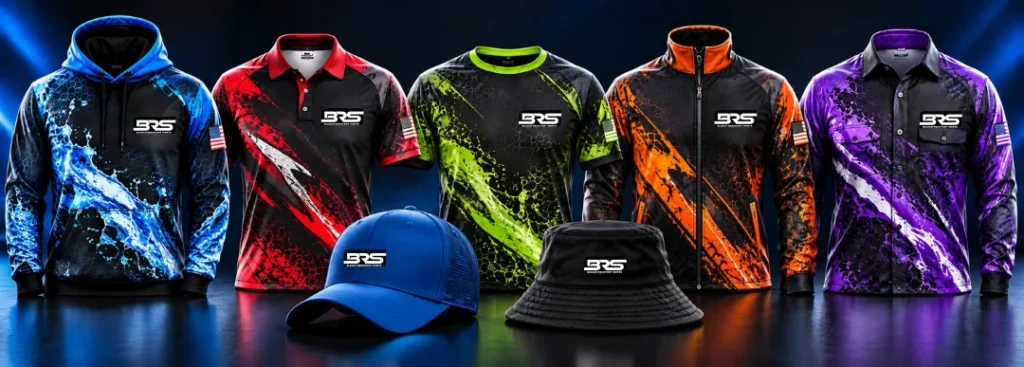
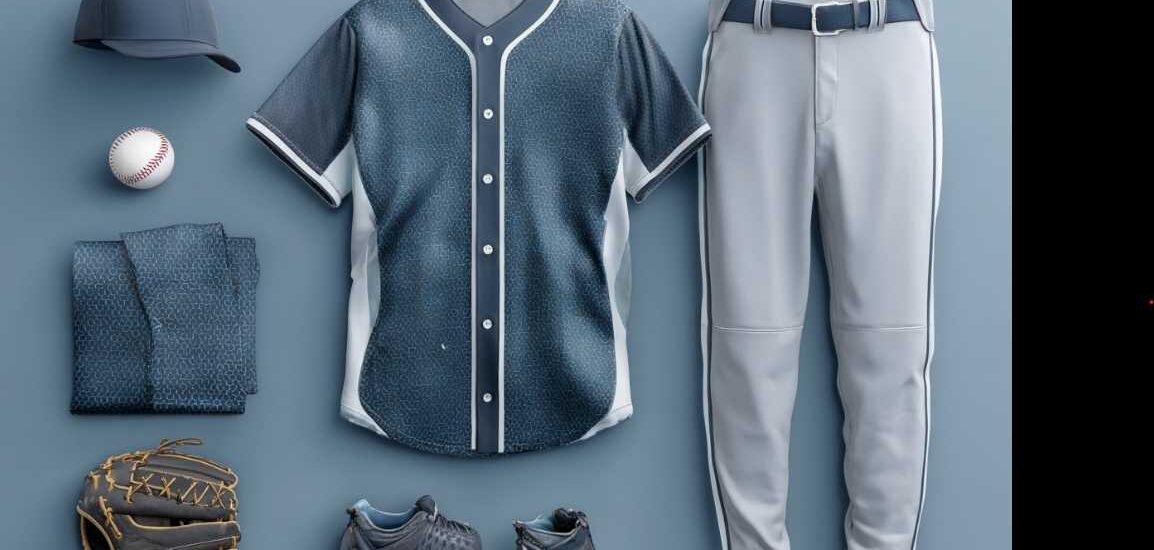
Custom uniforms are more than just clothing, they represent your brand, identity, and professionalism. Whether you run a restaurant, corporate office, healthcare facility, or industrial business, well-designed uniforms can improve customer trust, employee confidence, and overall brand image.
However, designing uniforms that are both professional-looking and long-lasting requires careful planning. From fabric selection to stitching quality and branding techniques, every detail matters.
Below is a complete guide to help you design custom uniforms that stay sharp, durable, and comfortable over time.
1. Start with the Right Fabric Choice (The Foundation of Durability)
Fabric is the most important factor in uniform design. A good design can fail quickly if the fabric is weak, uncomfortable, or fades easily.
For long-lasting uniforms, prioritize:
- Polyester blends → Strong, wrinkle-resistant, and color-retaining
- Cotton-poly blends → Balanced comfort and durability
- Performance fabrics → Moisture-wicking, breathable, and ideal for active jobs
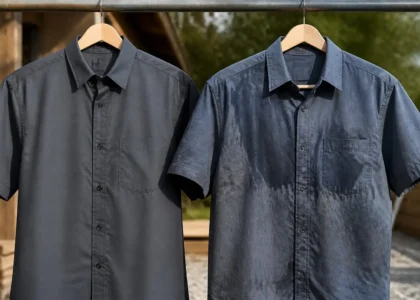
- Bleach-resistant or color-safe fabrics → Help uniforms maintain color even after repeated washing
Bleach-resistant and color-protected fabrics are especially useful in healthcare, cleaning, hospitality, and food service industries where frequent washing is required. These fabrics help uniforms stay bright and professional for longer periods.
👉 A key rule:
Comfort + durability = employee satisfaction + brand consistency
2. Choose a Professional and Timeless Design
A common mistake in uniform design is being too trendy. Uniforms should look modern but not “fashion-dependent,” so they remain professional for years.
Best design principles include:
- Neutral or brand-aligned colors (navy, black, grey, white, or corporate colors)
- Clean cuts and simple silhouettes
- Minimal patterns or distractions
- Consistent design across all staff roles
As experts note, simple and structured designs help maintain a clean and professional appearance in any work environment.
👉 Tip:
Avoid overly loud prints or complex graphics, they reduce readability and professionalism.
3. Focus on Fit and Comfort for Daily Wear
Even the best-looking uniform fails if employees don’t feel comfortable wearing it.
Modern uniform design prioritizes:
- Multiple size options (inclusive sizing)
- Stretch fabrics for mobility
- Breathable materials for hot environments
- Ergonomic cuts that allow movement
Poorly fitted uniforms can affect employee confidence and productivity.
👉 A good uniform should feel like workwear, not restrictive clothing.
4. Invest in High-Quality Stitching and Construction
Durability doesn’t come from fabric alone, construction quality matters just as much.
Look for:
- Reinforced seams in high-stress areas (shoulders, elbows, pockets)
- Strong thread quality
- Double stitching for heavy-use uniforms
- Clean finishing with no loose threads
Well-constructed uniforms last longer and maintain a polished appearance even after repeated washing and heavy use.
👉 Weak stitching = early wear and tear = higher replacement costs.
5. Choose the Right Branding Method (Logo Application)
Your logo is the most visible part of your uniform branding, so how it is applied matters.
Common methods:
Embroidery
- Premium, professional look
- Very durable (lasts years)
- Best for logos and chest branding
Screen Printing
- Cost-effective for bulk orders
- Good for simple designs
Heat Transfer / DTF Printing
- Best for complex or colorful designs
- Moderate durability
Embroidery is widely considered the most professional and long-lasting branding method for uniforms.
6. Prioritize Color Retention and Wash Resistance
Uniforms go through frequent washing, so color stability is crucial.
To ensure long life:
- Use fade-resistant dyes
- Choose colorfast fabrics
- Avoid cheap inks or low-grade printing
- Test garments for multiple wash cycles
High-quality uniforms are designed to maintain appearance after repeated washing without fading or shrinking.
👉 A faded uniform looks unprofessional, even if it’s still wearable.
7. Add Functional Features for Real Work Conditions
Modern uniforms should do more than look good, they should support daily tasks.
Useful design features include:
- Utility pockets for tools or devices
- Breathable mesh panels
- Moisture control for active environments
- Easy-care (wrinkle-resistant, quick-dry fabrics)
Uniform design should always match the actual working environment, not just visual branding.
8. Test Samples Before Full Production
Never approve a uniform design without testing.
Before bulk production:
- Check fabric feel and comfort
- Wash sample garments multiple times
- Test logo durability
- Evaluate stitching and finishing
- Get employee feedback on fit and comfort
This step prevents costly mistakes and ensures long-term satisfaction.
9. Balance Branding with Practicality
A strong uniform balances three key elements:
- Brand identity (logos, colors, style)
- Comfort (fit, fabric, breathability)
- Durability (construction, wash resistance)
A uniform that looks good but doesn’t perform well will fail in real-world use.
Final Thoughts
Designing custom uniforms that look professional and last longer is all about smart material choices, clean design, and durable construction.
If you focus on:
- High-quality fabrics (like bleach-resistant or performance blends)
- Simple and professional design
- Strong stitching and construction
- Durable branding techniques
- Proper testing before production
…you’ll end up with uniforms that not only represent your brand but also withstand daily wear and washing for years.
A well-designed uniform isn’t just clothing, it’s a long-term investment in your brand image.