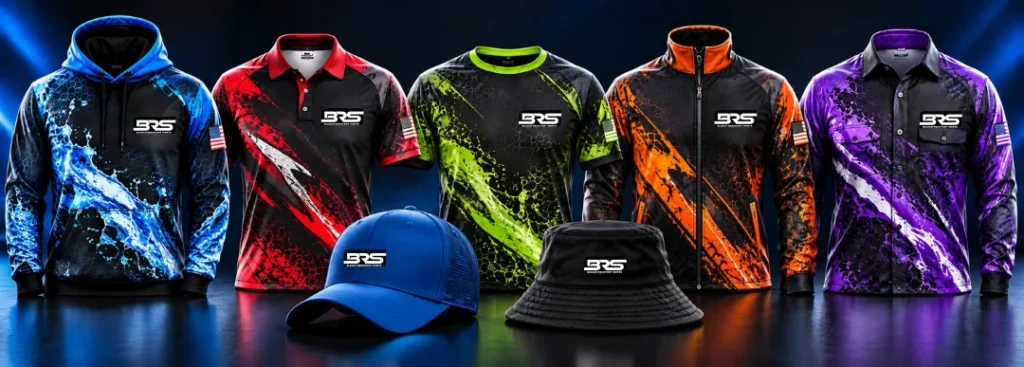
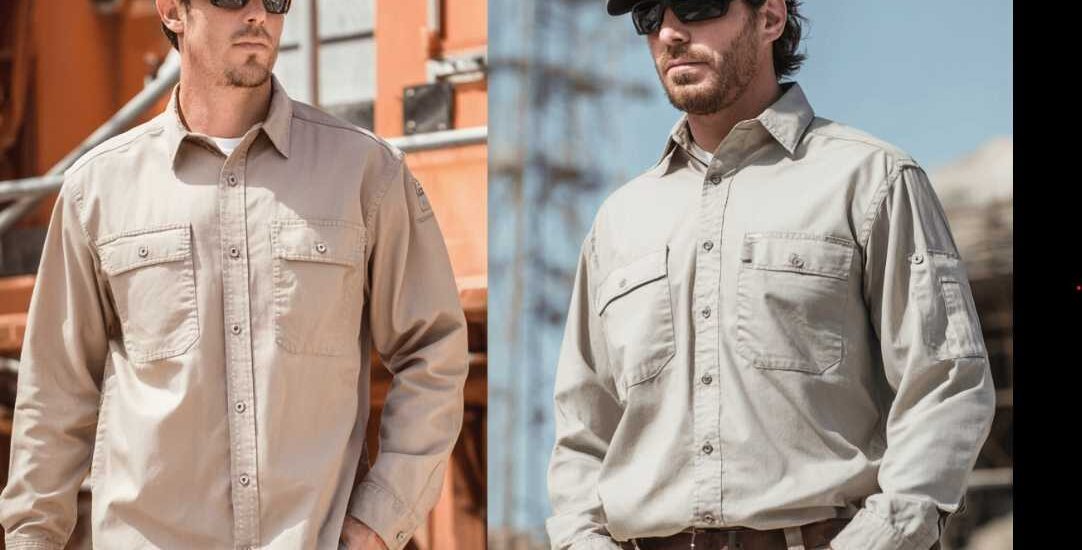
Outdoor jobs are demanding. Whether you’re working in construction, landscaping, delivery, farming, or industrial maintenance, your clothing directly affects your comfort, safety, and productivity. One of the most important choices workers face is whether to wear moisture-wicking work shirts or standard cotton shirts.
At first glance, they may look similar, but their performance under heat, sweat, and long hours is very different.
Let’s break it down in detail.
Understanding the Basics
What Are Moisture-Wicking Shirts?
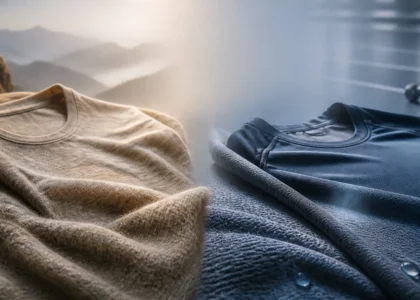
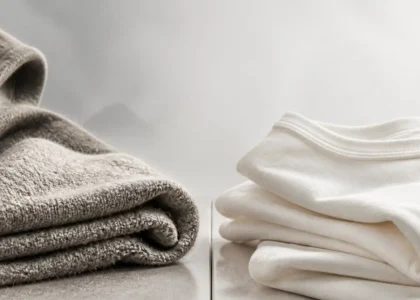
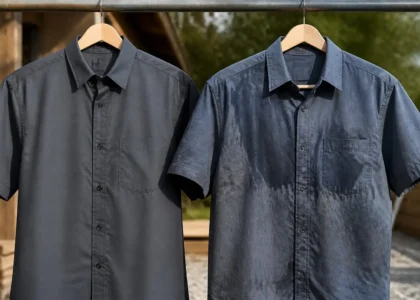
Moisture-wicking shirts are made from engineered fabrics like polyester blends designed to pull sweat away from the skin and spread it across the surface of the fabric, where it evaporates quickly.
This process helps:
- Keep your skin dry
- Improve cooling
- Reduce sweat buildup and odor
The science behind it uses “capillary action,” where sweat is actively moved outward instead of soaking into the fabric.
What Are Standard Work Shirts?
Standard work shirts are typically made of 100% cotton or basic cotton blends. Cotton is known for being soft and breathable, but it behaves very differently when you sweat.
Instead of moving moisture away, cotton:
- Absorbs sweat like a sponge
- Holds moisture for long periods
- Becomes heavy and damp
This leads to discomfort, especially during long outdoor shifts.
Performance Comparison: Real Job Conditions
1. Sweat Management
- Moisture-wicking shirts: Pull sweat away and dry quickly
- Cotton shirts: Absorb sweat and stay wet
When working in heat, wet fabric stuck to your skin increases discomfort and fatigue. Cotton can even stay damp for hours.
2. Cooling Effect
This is where moisture-wicking shirts stand out.
- They promote rapid evaporation, which cools your body naturally
- Cotton traps moisture, which blocks airflow and heat release
Keeping skin dry helps regulate body temperature more effectively during physical labor.
3. Comfort During Long Shifts
- Moisture-wicking: Lightweight, less sticky, stays comfortable
- Cotton: Gets heavier as you sweat, can cause chafing
Workers often report cotton shirts feeling fine at first, but increasingly uncomfortable after hours of activity.
4. Breathability
Both fabrics can be breathable, but in different ways:
- Cotton allows airflow when dry
- Moisture-wicking fabrics combine airflow + fast drying
Once cotton gets wet, breathability drops significantly.
5. Odor and Hygiene
- Moisture-wicking fabrics reduce bacteria growth because sweat doesn’t linger
- Cotton holds moisture longer, which can lead to odor buildup
This is especially important for long shifts in hot climates.
6. Durability for Work Environments
- Cotton: Strong and abrasion-resistant, but degrades with repeated heavy sweating and washing cycles
- Synthetic blends: Designed for performance, but may require more careful washing to maintain quality
Pros and Cons Summary
Moisture-Wicking Work Shirts
Pros:
- Keeps skin dry
- Faster drying time
- Better cooling in heat
- Lightweight and flexible
- Reduces odor buildup
Cons:
- Can feel less “natural” than cotton
- Some cheaper versions may trap odor if low quality
Standard Cotton Work Shirts
Pros:
- Soft and comfortable when dry
- Affordable
- Durable for rough handling
Cons:
- Soaks sweat and stays wet
- Becomes heavy and uncomfortable
- Poor cooling in extreme heat
- Higher odor retention
Which Is Better for Outdoor Jobs?
✔ Moisture-wicking shirts are better if:
- You work in hot climates
- Your job involves physical labor
- You sweat heavily
- You need all-day comfort
✔ Cotton shirts are better if:
- You work in cooler environments
- Your job is low activity
- You prioritize rugged durability over cooling
Final Verdict
For most outdoor jobs, especially construction, warehouse work, landscaping, and field operations, moisture-wicking shirts clearly outperform standard cotton shirts.
They help workers stay:
- Cooler
- Drier
- More comfortable
- More productive
Cotton still has its place, but in hot and sweaty environments, it often works against you.
Conclusion
Choosing the right work shirt isn’t just about style, it’s about performance and safety. If your job involves heat and movement, moisture-wicking fabrics are a modern upgrade that can significantly improve your workday experience.
Standard cotton shirts may feel familiar, but when conditions get tough, performance fabric wins almost every time.