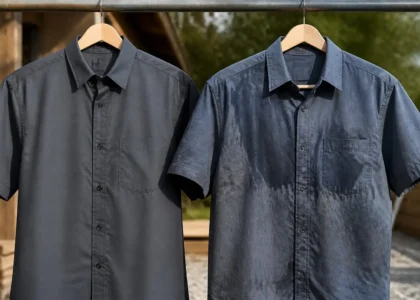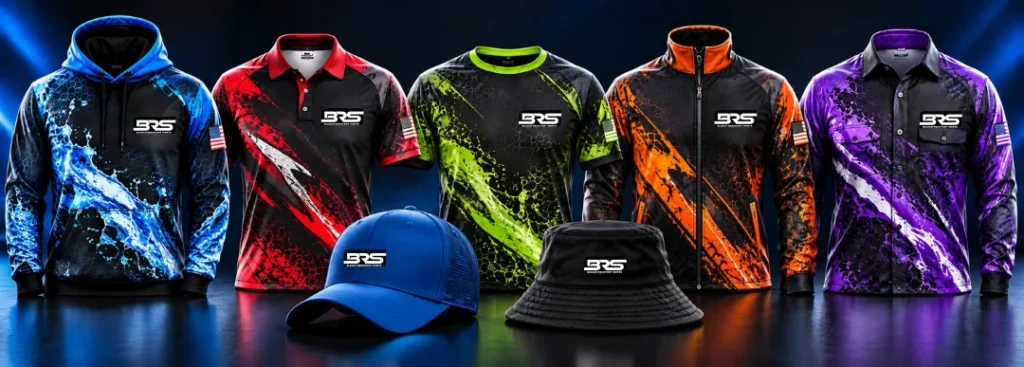
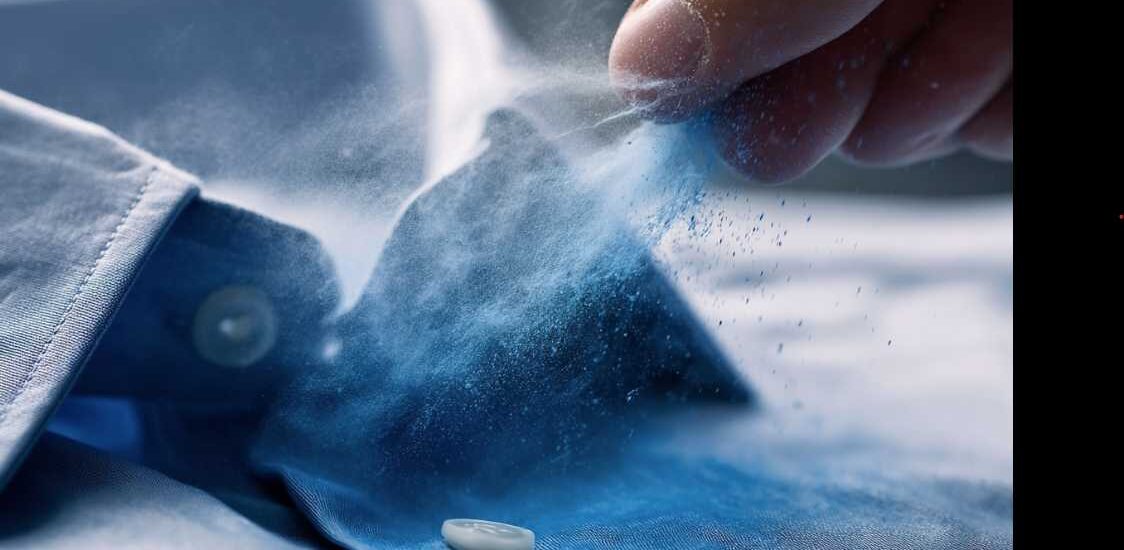
In industries like pressure washing, cleaning services, landscaping, automotive detailing, and outdoor maintenance, uniforms are exposed daily to harsh chemicals, especially bleach. One accidental splash can permanently ruin a regular shirt, leaving behind faded patches, orange stains, or even holes in the fabric.
This is where bleach-resistant shirts come in. Companies like Bleach Resistant Shirts (BRS) promote apparel designed to withstand chemical exposure while maintaining color and durability. But the real question remains:
Do bleach-resistant shirts actually last in real-world conditions, or is it just marketing?
Let’s break it down using science, user experiences, and real-world use cases.
What “Bleach-Resistant” Actually Means
First, it’s important to understand a common misconception:
Bleach-resistant does NOT mean bleach-proof.
According to manufacturers, including BRS, bleach-resistant fabrics are typically made using solution-dyed polyester or sublimation printing techniques that lock color deep into the fiber instead of sitting on the surface.
This means:
- The color is far less likely to fade
- The shirt can withstand splashes and diluted chemical exposure
- But strong or prolonged bleach contact can still damage fabric over time
In other words, it’s resistance, not immunity.
How These Shirts Are Built to Resist Bleach
Bleach-resistant shirts generally rely on three key technologies:
1. Solution-Dyed Polyester
Instead of dyeing the fabric after it is made, the color is added while the fiber itself is being produced. This makes fading significantly harder because the color is embedded inside the material.
2. Sublimation Printing
Designs are heat-transferred into the fabric, rather than printed on top. This prevents surface-level fading or peeling.
3. Synthetic Fiber Strength
Polyester-based fabrics are naturally more resistant to chlorine damage compared to cotton, which absorbs bleach and breaks down faster.
Real-World Testing: What Actually Happens
✔ Light Bleach Exposure (Splashes, Mist, Cleaning Work)
In real-world testing scenarios, like pressure washing crews or cleaning teams, shirts perform very well.
Users report:
- No visible fading after accidental splashes
- Consistent color even after repeated washing
- Professional appearance maintained for months of use
This aligns with customer reviews showing strong satisfaction with durability and comfort under work conditions
⚠ Heavy Bleach Exposure (Direct Pouring or Soaking)
When bleach is applied directly and left to sit:
- Fabric can still degrade over time
- Fibers may weaken or develop texture damage
- Extremely concentrated bleach can eventually break down polyester blends
Even manufacturers clearly state that bleach-resistant shirts are not designed for prolonged chemical saturation
✔ Long-Term Use (Months of Workwear Testing)
In long-term use cases, especially in industries like:
- Pressure washing
- Landscaping
- Automotive detailing
- Industrial cleaning
Users consistently report:
- Minimal fading
- Strong fabric integrity
- Better lifespan than standard cotton uniforms
The key factor is proper use and realistic expectations.
Why Some People Think Bleach-Resistant Shirts “Don’t Work”
There are a few common misunderstandings:
1. Confusing “Resistant” with “Proof”
No fabric is completely immune to bleach damage.
2. Using High-Concentration Bleach Improperly
Direct, undiluted bleach will damage almost any fabric over time.
3. Fabric Type Differences
Cotton reacts very differently from polyester blends. Many failures come from expecting cotton-level behavior.
4. Overexposure
Leaving bleach sitting on fabric for long periods will eventually degrade even resistant materials.
Real User Feedback (Field Experience)
Across customer experiences from workwear industries, the most common feedback includes:
- Shirts maintain color through daily outdoor work
- Comfortable for long shifts in heat
- Resistant to accidental chemical splashes
- Occasional shipping delays or import fees, but product quality is strong overall
Overall satisfaction tends to be high when expectations are realistic.
Pros and Cons of Bleach-Resistant Shirts
Pros
- Long-lasting color retention
- Great for industrial work environments
- Lightweight and breathable
- Better durability than cotton in chemical exposure
- Professional appearance over time
Cons
- Not fully bleach-proof
- Can still degrade under heavy chemical abuse
- Usually more expensive than basic shirts
- Polyester may feel less natural than cotton
Final Verdict: Do They Actually Last?
Yes, bleach-resistant shirts do last in real-world working conditions, but with an important caveat:
They are designed for accidental exposure and industrial use, not for intentional soaking or heavy chemical testing.
If used properly, they significantly outperform standard cotton shirts in environments where bleach, cleaners, or chemicals are part of daily work.
However, expecting them to survive constant direct bleach saturation without any damage is unrealistic.