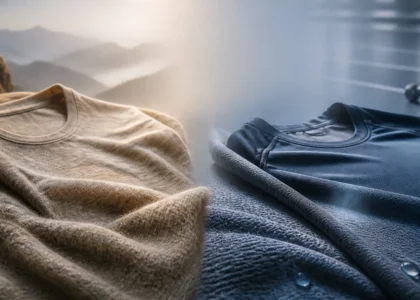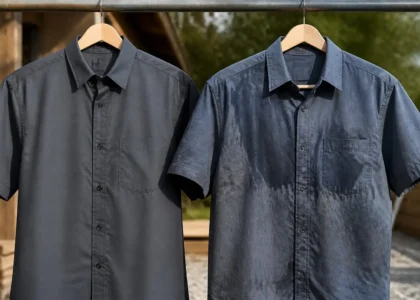
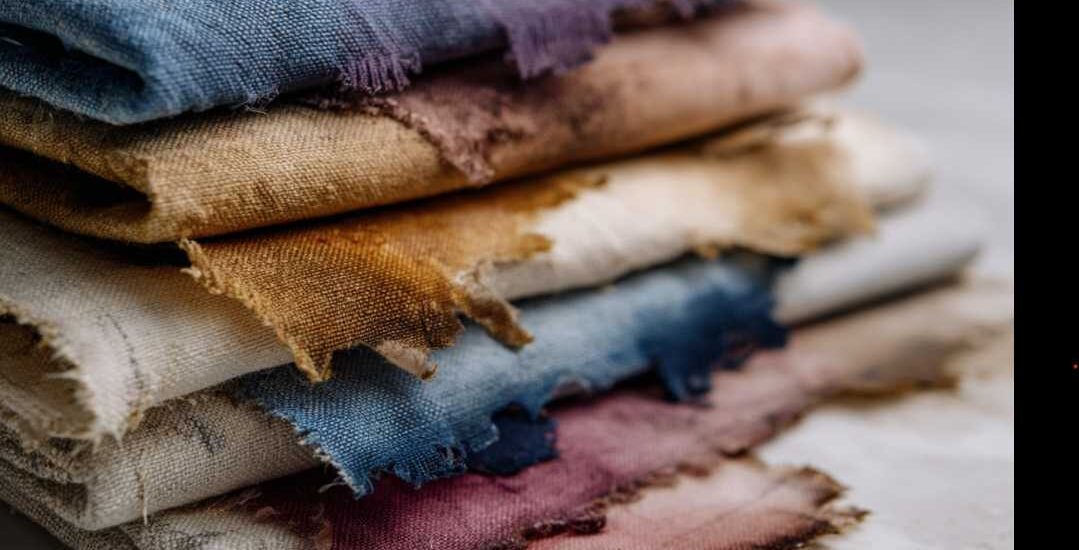
Color fading in fabrics is something almost everyone notices over time, your favorite black t-shirt turns grey, vibrant prints lose their sharpness, and once-bright curtains slowly look dull. But behind this everyday experience is a complex world of chemistry, physics, and environmental interaction.
Understanding why fabrics fade isn’t just about laundry habits, it’s about how light, water, heat, air, and chemicals interact with dye molecules and fibers at a microscopic level.
1. What Actually Causes Color in Fabric?
Fabric color comes from dye molecules that attach to fibers such as cotton, polyester, wool, or silk. These dye molecules contain special structures called chromophores, which absorb certain wavelengths of light and reflect others, what we see as color.
When these chromophores remain stable, the color stays strong. But when they break down or detach from fibers, fading begins.
2. The Role of UV Radiation (Sunlight Damage)
One of the biggest reasons fabrics fade is ultraviolet (UV) radiation from sunlight.
UV rays carry enough energy to break chemical bonds inside dye molecules. When this happens:
- The chromophore structure is damaged
- The dye loses its ability to absorb light properly
- Colors become dull or shift in tone
This process is known as photodegradation, where light energy literally destroys the dye’s chemical stability.
Even indirect sunlight over time can cause noticeable fading, especially in darker and more saturated colors.
3. Oxygen and Air: The Silent Destroyer
Another major factor is oxidation, which occurs when dye molecules react with oxygen in the air.
Over time:
- Oxygen weakens chemical bonds in dyes
- Reactive oxygen species accelerate breakdown
- Fabric colors slowly lose intensity even without sunlight
Polluted air (especially nitrogen oxides and ozone) can make this process even faster, contributing to what is called atmospheric fading.
4. Washing: The Chemical Stress Cycle
Every wash cycle is a combination of mechanical and chemical stress:
a) Detergents and pH levels
Harsh detergents can strip dye molecules from fibers or weaken their bonds. High alkalinity and strong surfactants increase fading speed.
b) Heat
Hot water opens up fibers and accelerates dye leakage, especially in natural fabrics like cotton.
c) Agitation
Machine movement causes friction between garments, slowly rubbing away surface dye.
Over time, repeated washing causes dyes to either:
- Break down chemically
- Or physically detach from fibers
5. Chemical Weakening of Fibers
It’s not only the dye that gets damaged, the fabric itself can degrade.
Fibers like cotton (cellulose-based) or silk (protein-based) react differently to chemicals:
- Cellulose fibers can weaken under oxidation and alkaline conditions
- Protein fibers are sensitive to pH changes and heat
- Synthetic fibers may degrade under UV exposure and heat stress
When the fiber structure weakens, it holds dye less effectively, accelerating fading.
6. Role of Dye Type and Fabric Quality
Not all dyes behave the same way.
- Some dyes form strong chemical bonds with fibers (reactive dyes)
- Others sit more loosely on the surface (direct or basic dyes)
- Low-cost fabrics often use less stable dyeing methods
This is why two identical-looking shirts can fade at completely different rates.
Poor dye fixation during manufacturing is one of the biggest reasons for early fading.
7. Environmental Factors You Don’t Notice
Beyond washing and sunlight, several hidden factors contribute:
- Hard water minerals weaken fabric structure
- Air pollution accelerates oxidation
- Perspiration (sweat) introduces acids and salts
- Drying in sunlight combines heat + UV damage
Even how you store clothes (humidity, airflow, light exposure) affects long-term color stability.
8. Chemical Finishes and Fabric Treatments
Modern fabrics often include chemical coatings like:
- Anti-wrinkle treatments
- Water-resistant coatings
- Softening agents
While these improve comfort and performance, they can sometimes:
- Break down after repeated washing
- Interact poorly with detergents
- Accelerate long-term degradation once they wear off
9. Why Some Colors Fade Faster Than Others
Color stability depends heavily on molecular structure:
- Reds and bright dyes often fade faster
- Dark colors absorb more UV, increasing internal stress
- Some dye mixtures are chemically less stable than others
Even the same color can fade differently depending on fabric type and dye process.
10. Can Fabric Fading Be Prevented?
You can’t completely stop fading, but you can significantly slow it down:
Practical tips:
- Wash in cold water
- Use mild, color-safe detergents
- Avoid excessive washing
- Dry clothes in shade instead of direct sunlight
- Turn garments inside out before washing
- Avoid overloading the machine
These steps reduce both chemical and mechanical stress on fabrics.
Conclusion
Color fading is not just “wear and tear”, it’s the result of complex chemical reactions involving light, oxygen, water, heat, and detergent chemistry.
Every wash cycle and every moment in sunlight subtly changes the molecular structure of dyes and fibers. Over time, these microscopic changes accumulate into visible fading.
Understanding this science helps us not only take better care of our clothes but also appreciate the intricate chemistry woven into everyday fabrics.