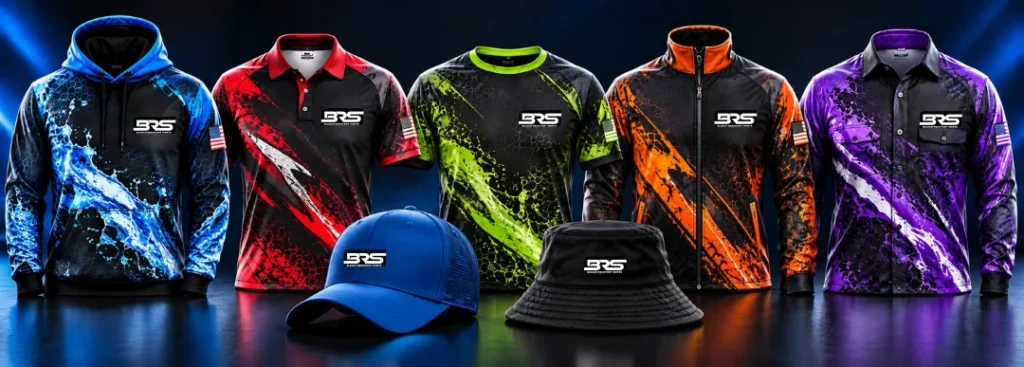
In industries where workwear is constantly exposed to harsh chemicals, cleaning agents, and outdoor elements, ordinary clothing simply doesn’t last. Shirts fade, stain, and deteriorate quickly, especially when bleach or sodium hypochlorite is involved.
That’s where bleach-resistant shirts come in. These specialized garments are designed to withstand chemical exposure while maintaining their color, structure, and professional appearance for much longer than standard clothing.
In this article, we’ll break down what bleach-resistant shirts are, how they work, what they’re made of, and why they’re becoming essential in many industries.
What Are Bleach-Resistant Shirts?
Bleach-resistant shirts are specially engineered garments designed to resist discoloration, fading, and fabric damage when exposed to bleach or other strong cleaning chemicals.
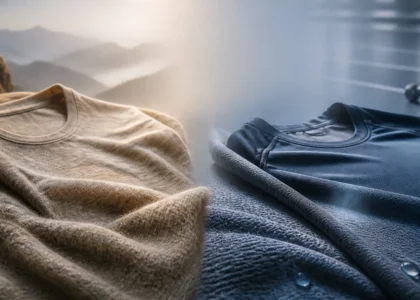
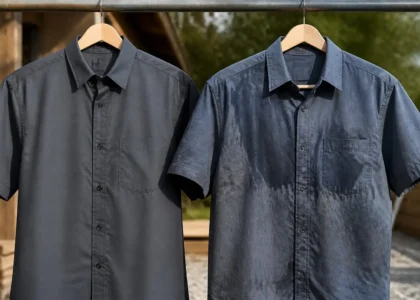
Unlike regular shirts, which quickly develop white patches or lose color when bleach touches them, bleach-resistant shirts are built to maintain their appearance even in chemically intense environments.
They are widely used in industries such as:
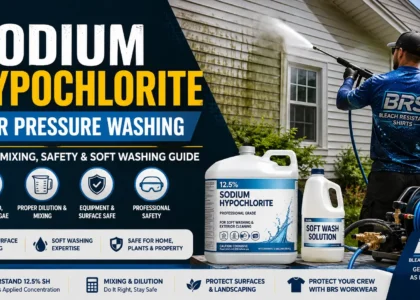
- Pressure washing and soft washing
- Janitorial and cleaning services
- Automotive detailing
- Landscaping and outdoor maintenance
- Industrial and sanitation work
These shirts are not “invincible,” but they are significantly more durable than standard cotton or blended fabrics when exposed to bleach-based solutions.
Are Bleach-Resistant Shirts Truly “Bleach-Proof”?
A common misconception is that bleach-resistant clothing is completely “bleach-proof.” In reality, this is not true.
Experts and manufacturers emphasize that:
- No fabric is 100% bleach-proof
- Strong or prolonged exposure to undiluted bleach can still damage any material
- The key advantage is resistance, not immunity
Bleach-resistant shirts are designed to handle:
- Light splashes
- Mist exposure
- Repeated low-level chemical contact
But not long soaking or heavy saturation in bleach solutions.
How Do Bleach-Resistant Shirts Work?
The science behind bleach-resistant shirts lies in fabric engineering and dye technology. There are three main mechanisms that make them resistant:
1. Solution-Dyed Fibers (Core Technology)
The most important feature of bleach-resistant shirts is the use of solution-dyed polyester or similar synthetic fibers.
Instead of applying dye to the surface of the fabric, the color is added during fiber production. This means:
- The color is embedded throughout the fiber
- Bleach cannot easily strip or break down surface dye
- The shirt maintains its original color even after chemical exposure
This is the same principle used in high-performance outdoor fabrics and industrial uniforms.
👉 In short: the color is “built into” the fabric, not painted on it.
2. Chemical-Resistant Fabric Blends
Some bleach-resistant shirts use polyester-cotton blends or treated synthetics that provide extra protection.
These fabrics are designed to:
- Resist oxidation caused by bleach
- Reduce fiber breakdown from harsh chemicals
- Maintain strength even after repeated washing cycles
However, higher cotton content generally means lower bleach resistance, since cotton absorbs chemicals more easily.
3. Specialized Dye and Finishing Treatments
In addition to fiber technology, manufacturers use:
- High colorfast dyes
- Protective coatings
- Moisture-wicking finishes
These help:
- Prevent uneven fading
- Reduce visible staining
- Extend the shirt’s lifespan in demanding environments
Why Regular Shirts Fail Against Bleach
Standard shirts, especially cotton or low-grade blends, fail quickly because bleach is highly corrosive.
When bleach contacts regular fabric:
- It breaks down dye molecules
- It weakens fibers at a structural level
- It causes permanent discoloration (white or orange spotting)
Even small splashes can ruin a shirt instantly, which is why workers in cleaning industries often replace uniforms frequently.
Key Benefits of Bleach-Resistant Shirts
Bleach-resistant shirts offer several advantages:
1. Longer Lifespan
They last significantly longer than standard shirts in chemical environments, reducing replacement costs.
2. Professional Appearance
Workers maintain a clean, uniform look even after repeated exposure to chemicals.
3. Cost Efficiency
Businesses save money by reducing uniform turnover and replacements.
4. Comfort and Performance
Most bleach-resistant shirts are also:
- Lightweight
- Breathable
- Moisture-wicking
This makes them suitable for outdoor and high-activity jobs.
Industries That Benefit the Most
Bleach-resistant shirts are especially useful in:
- Pressure Washing Crews – Constant exposure to bleach-based cleaning solutions
- Cleaning Companies – Daily contact with disinfectants
- Industrial Workers – Chemical handling environments
- Food Service & Sanitation Teams – Frequent disinfecting processes
- Outdoor Contractors – Exposure to sun, chemicals, and grime
How to Care for Bleach-Resistant Shirts
To maximize durability:
- Rinse bleach exposure immediately
- Wash separately from regular clothes
- Avoid high heat drying
- Use mild detergent
- Do not use additional bleach unnecessarily
Proper care significantly extends the life of these garments.
Final Thoughts
Bleach-resistant shirts are a smart investment for anyone working in environments where chemicals are part of daily operations. While they are not completely immune to damage, their advanced fiber technology and dyeing processes allow them to maintain color, durability, and professionalism far longer than traditional clothing.