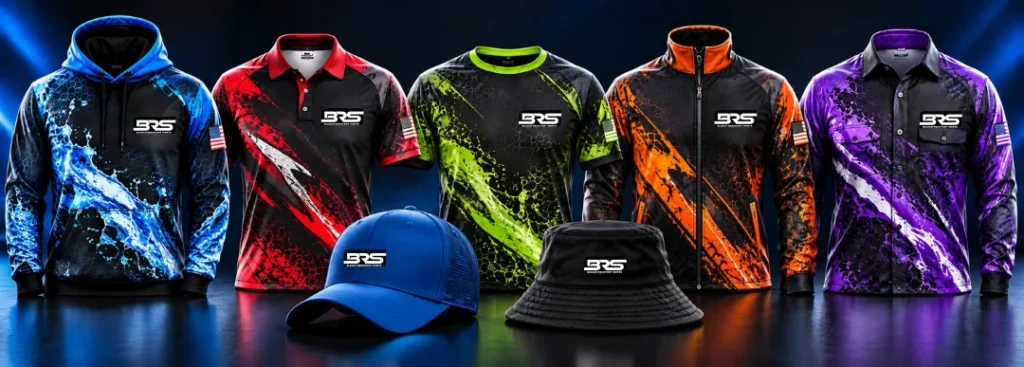
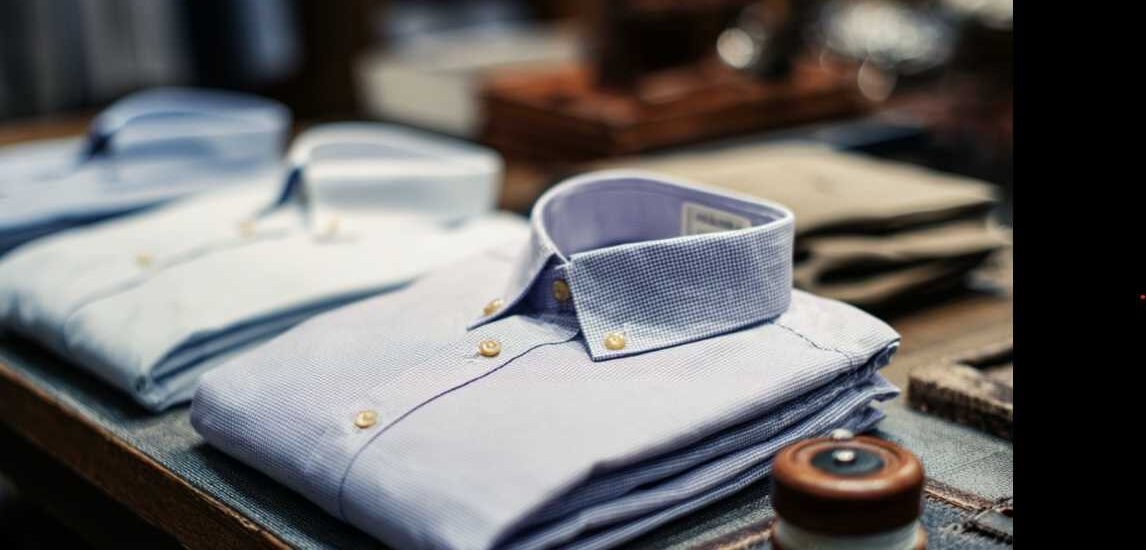
Custom work shirts are more than just uniforms, they represent your brand, your professionalism, and often your team’s daily comfort. Whether you’re ordering for a small business, a large workforce, or a specialized industry like field services, choosing the wrong shirts can lead to wasted money, uncomfortable employees, and poor brand perception.
If you’ve ever ordered custom apparel and felt disappointed with the result, you’re not alone. Most issues come from a few avoidable mistakes. Below are the most common ones, and exactly how to avoid them.
1. Choosing Style Over Function
One of the biggest mistakes businesses make is prioritizing appearance instead of practicality. A shirt might look great in a mockup, but fail in real working conditions.
In industries like cleaning, pest control, or outdoor services, employees need shirts that handle heat, movement, sweat, and sometimes even chemicals. A stylish but impractical shirt quickly becomes uncomfortable and unusable.
How to avoid it:
Always start with function first:
- Breathability for hot environments
- Durability for physical labor
- Stretch or mobility for movement
- Safety features (like visibility or protective fabrics)
Once function is locked in, then focus on branding and design.
2. Ignoring Fabric Quality and Performance
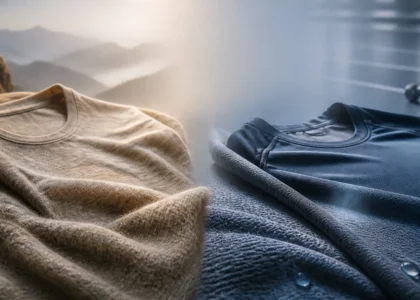
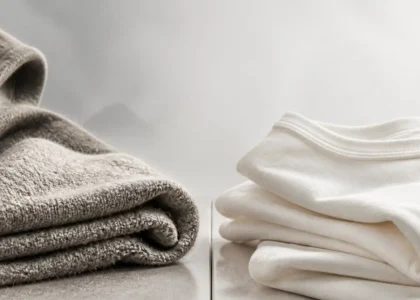
Fabric choice is one of the most overlooked factors in custom work shirts. Cheap materials may look fine initially but often fade, shrink, or wear out quickly after repeated washing.
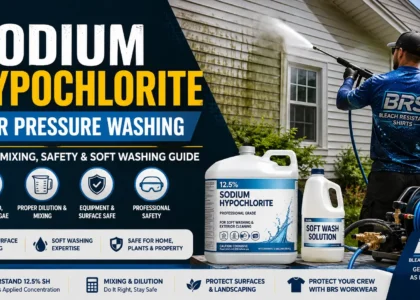
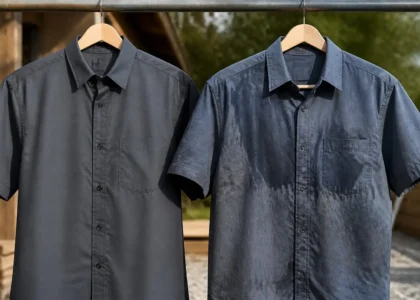
In demanding environments, fabric performance matters even more. Some industries even require specialized materials like solution-dyed or bleach-resistant fabrics, which resist fading from chemicals and harsh cleaning agents.
How to avoid it:
- Choose durable blends like polyester-cotton or performance fabrics
- Look for moisture-wicking or stain-resistant properties
- For chemical exposure jobs, consider bleach-resistant or solution-dyed options
- Always request fabric samples before bulk ordering
3. Ordering Without Checking Sizing Properly
Sizing inconsistency is one of the most expensive mistakes in custom apparel orders. A “Medium” from one supplier can fit completely differently from another.
Even small differences can lead to discomfort, returns, or unused stock.
How to avoid it:
- Always use the supplier’s specific size chart (not assumptions)
- Measure an existing well-fitting shirt for reference
- Consider shrinkage after washing
- Order sample sizes before final bulk production
A quick sizing test upfront can save a full batch of unusable shirts later.
4. Overcomplicating the Design
Many businesses try to pack too much into a shirt design, multiple colors, small text, logos everywhere. Unfortunately, this often leads to a cluttered and unprofessional look.
Complex designs can also increase printing costs and reduce durability.
How to avoid it:
- Stick to 1–3 colors for clarity
- Use bold, readable fonts
- Keep logos simple and strategically placed
- Always preview a digital mockup before production
Simple designs often look more premium and last longer visually.
5. Not Considering Print Method and Durability
Even a great design can fail if the wrong printing method is used. Some prints crack, peel, or fade quickly depending on fabric and usage.
Work shirts especially need long-lasting print solutions since they are washed frequently.
How to avoid it:
- Choose embroidery for a premium, long-lasting finish
- Use high-quality screen printing or heat transfer for bulk orders
- Ask about wash durability and ink type
- Match print method with job environment (industrial vs office wear)
6. Focusing Only on Price Instead of Long-Term Value
It’s tempting to go for the cheapest option, especially for large team orders. But low-cost shirts often result in poor fabric, fading prints, and early replacement needs.
As many businesses discover, saving a little upfront can lead to higher replacement costs later.
How to avoid it:
- Compare value, not just price
- Prioritize durability and comfort
- Think in terms of cost per wear, not just purchase price
- Invest in shirts that last longer and maintain branding quality
7. Not Considering Industry-Specific Needs
Different industries require different shirt features, but many buyers use a “one-size-fits-all” approach.
For example:
- Field technicians may need moisture-wicking, durable shirts
- Cleaning crews may need bleach-resistant fabrics
- Office teams may prioritize comfort and branding
Ignoring these differences leads to poor performance and employee dissatisfaction.
How to avoid it:
Match the shirt to the job environment, not just the logo design.
8. Skipping Proper Care Instructions
Even high-quality custom shirts can wear out quickly if they’re not maintained properly. Heat, harsh detergents, and incorrect washing cycles can damage prints and fabric.
How to avoid it:
- Wash inside out in cold water
- Avoid bleach unless fabric is designed for it
- Use gentle detergents
- Air dry when possible or use low heat
Proper care significantly extends shirt life and keeps branding sharp.
Final Thoughts
Buying custom work shirts is not just about placing an order, it’s about balancing comfort, durability, branding, and cost efficiency. The best results come from planning ahead and avoiding shortcuts that sacrifice quality.
If you focus on fabric performance, correct sizing, simple design, and long-term value, your team will not only look professional but also feel comfortable and confident every day.
A well-chosen work shirt doesn’t just represent your business, it supports it.