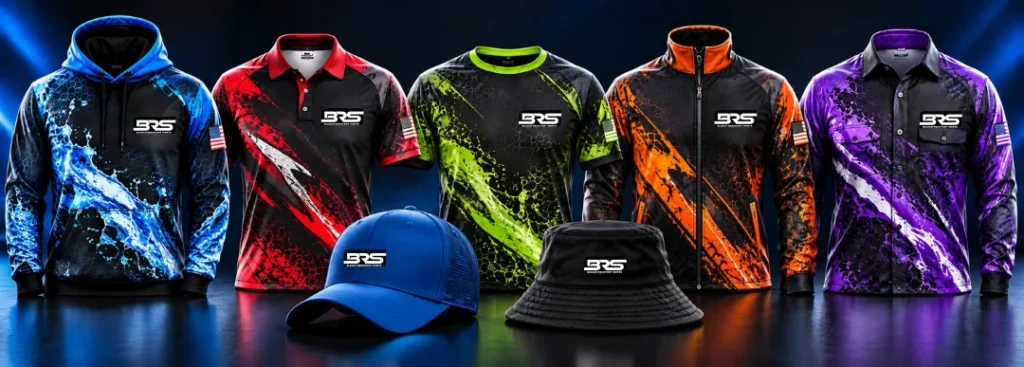
If you’ve ever worked in an environment where bleach is used daily, whether in pressure washing, cleaning, sanitation, or salon work, you already know one frustrating reality:
Bleach destroys clothes.
But then you come across products labeled “bleach-resistant” or even “bleach-proof.” These claims sound promising, but what do they actually mean?
This guide goes far beyond surface-level explanations. We’ll break down the science, fabric technology, industry myths, and real-world performance so you can make the smartest decision when buying workwear.
The Core Problem: Why Bleach Ruins Clothing
To understand the difference between bleach-resistant and bleach-proof, you first need to understand what bleach actually does.
Bleach (specifically sodium hypochlorite) is a strong oxidizing agent. That means it chemically reacts with:
- Dyes → breaking their molecular structure → causing fading or white spots
- Natural fibers (like cotton) → weakening their structure → leading to thinning and tearing
- Some synthetic coatings → degrading finishes over time
This is why a single splash of bleach can permanently ruin a dark-colored cotton shirt.
What Is a Bleach-Resistant Shirt? (Deep Dive)
A bleach-resistant shirt is engineered to minimize the visible and structural damage caused by bleach exposure.
How It Works
Bleach resistance is achieved through material selection and dyeing methods, not through making fabric “immune.”
1. Solution-Dyed Fibers
Instead of applying dye on top of the fabric, the color is added during the fiber creation process.
- Color becomes part of the fiber itself
- Bleach has less surface dye to attack
- Fading is significantly reduced
This is one of the most effective methods used in high-performance workwear.
2. Polyester-Based Fabrics
Polyester is naturally more resistant to bleach compared to cotton.
Why?
- It has a stable chemical structure
- It doesn’t absorb liquids as easily
- It resists oxidation better than natural fibers
This makes polyester the backbone of most bleach-resistant clothing.
3. Sublimation Printing
In many modern uniforms, designs are applied using heat-based sublimation printing.
- Ink is embedded into the fabric
- No surface-level dye to strip away
- Designs remain vibrant even after exposure
What Bleach-Resistant Actually Guarantees
A good bleach-resistant shirt will:
✔ Resist fading from light splashes
✔ Maintain color longer than cotton
✔ Withstand repeated exposure better
✔ Stay visually consistent in harsh environments
But it will not:
✘ Survive prolonged soaking in bleach
✘ Remain unchanged after extreme exposure
✘ Last forever under heavy chemical abuse
The Myth of “Bleach-Proof” Shirts
Let’s be direct:
There is no truly bleach-proof fabric used in everyday clothing.
Why “Bleach-Proof” Is Misleading
Bleach is chemically designed to break down organic and synthetic compounds. Over time, it will affect nearly all textiles.
To be truly bleach-proof, a material would need to be:
- Completely chemically inert
- Non-reactive to oxidation
- Structurally unaffected by harsh chemicals
In reality, only materials like:
- Plastic
- Rubber
- Specialized industrial coatings
come close to this level of resistance, and they are not suitable for comfortable clothing.
What Brands Usually Mean by “Bleach-Proof”
When you see “bleach-proof,” it typically means:
- Highly bleach-resistant polyester
- Solution-dyed performance fabric
- Marketing language to emphasize durability
So while the shirt may perform very well, the term itself is not scientifically accurate.
Side-by-Side Comparison (Real-World Perspective)
| Category | Bleach-Resistant Shirts | “Bleach-Proof” Shirts |
| Scientific accuracy | Real and measurable | Mostly marketing |
| Fabric technology | Advanced (polyester, solution-dyed) | Same as resistant |
| Reaction to bleach | Slower damage | Eventually still affected |
| Longevity | High durability | Same as resistant |
| Buyer expectation | Realistic | Often misleading |
Real-World Testing: What Actually Happens
Let’s look at practical scenarios:
Scenario 1: Light Splash
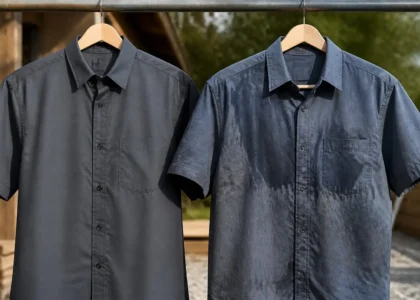
- Bleach-resistant shirt: No visible damage or very minimal fading
- Cotton shirt: Immediate discoloration
Scenario 2: Repeated Exposure (Daily Work)
- Bleach-resistant shirt: Gradual wear over months
- Regular shirt: Rapid deterioration within weeks
Scenario 3: Direct Soaking in Bleach
- Bleach-resistant shirt: Eventually fades and weakens
- “Bleach-proof” shirt: Same result over time
Why Cotton Fails (And Polyester Wins)
Cotton:
- Absorbs bleach quickly
- Dye sits on the surface
- Fibers weaken fast
Polyester:
- Repels liquids better
- Dye is embedded or chemically bonded
- Stronger molecular structure
This is why switching from cotton to polyester-based workwear is often a game-changing upgrade.
Who Needs Bleach-Resistant Shirts the Most?
If your job involves regular chemical exposure, these shirts aren’t optional, they’re essential.
Key industries:
- Pressure washing professionals
- Cleaning and janitorial services
- Hair stylists and barbers
- Pool maintenance technicians
- Industrial sanitation workers
In these fields, bleach-resistant clothing:
- Saves money
- Maintains professional appearance
- Reduces frequent replacements
How to Choose the Right Shirt (Buyer’s Checklist)
When shopping, don’t just look at the label, look at the details:
1. Fabric Composition
Choose:
- 100% polyester
- Polyester blends with high synthetic content
Avoid:
- 100% cotton
2. Dye Method
Look for:
- Solution-dyed fabric
- Sublimated designs
3. Brand Transparency
Trust brands that:
- Explain their materials clearly
- Avoid exaggerated “bleach-proof” claims
- Provide real-world usage examples
4. Fit and Comfort
Durability matters, but so does wearability:
- Moisture-wicking fabric
- Breathability
- Lightweight construction
Pro Tips to Maximize Lifespan
Even the best shirt needs proper care:
- Rinse immediately after exposure
- Avoid leaving bleach-soaked clothing sitting
- Wash in cold water
- Air dry when possible
- Avoid mixing with heavily contaminated garments
The Bottom Line
Here’s the truth in simple terms:
- Bleach-resistant shirts = real, effective, and worth buying
- Bleach-proof shirts = marketing exaggeration
If you rely on your clothing in harsh environments, the goal isn’t to find something indestructible, it’s to find something built to last longer under stress.
And that’s exactly what high-quality bleach-resistant apparel delivers.
Final Thoughts
Understanding the difference between bleach-resistant and bleach-proof shirts isn’t just about terminology, it’s about making smarter investments in your workwear.
Instead of chasing unrealistic promises, focus on:
- Proven fabric technology
- Real-world performance
- Long-term durability