In industries where exposure to harsh chemicals is part of the daily routine, ordinary workwear simply doesn’t hold up. From cleaning crews and healthcare workers to salon professionals and pressure washing teams, one accidental splash of bleach can ruin a standard shirt in seconds.
That’s where bleach-resistant work shirts come in, but what actually makes a shirt truly bleach-resistant?
Let’s break down the science, materials, and design features that separate high-performance workwear from everyday clothing.
Understanding Bleach Resistance: What It Really Means
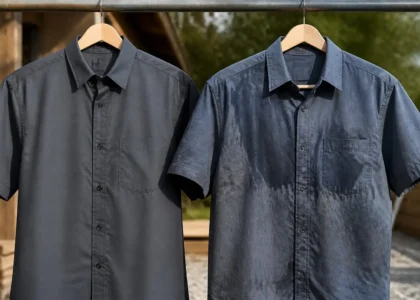
First, it’s important to clear up a common misconception: there’s no such thing as a completely “bleach-proof” fabric. Even the most advanced materials can degrade if exposed to strong bleach for long periods.
Instead, bleach-resistant shirts are engineered to withstand repeated exposure to bleach without losing color, strength, or professional appearance.
This means:
- No fading or discoloration from splashes
- No weakening of fibers after regular exposure
- Long-lasting color and structural integrity
1. Advanced Fabric Composition
The foundation of any bleach-resistant shirt starts with the fabric.
Why Polyester Leads the Way
Most high-quality bleach-resistant shirts are made from:
- 100% polyester
- Polyester blends (poly-cotton hybrids)
These materials are naturally more stable when exposed to bleach compared to cotton, which breaks down quickly under chemical stress.
Polyester fibers:
- Resist chemical reactions with chlorine
- Maintain their structure under harsh conditions
- Offer longer lifespan in demanding environments
This is why industries that deal with bleach daily rely heavily on synthetic fabrics.
2. Solution-Dyed and Colorfast Technology
One of the biggest reasons regular shirts fail is dye instability.
The Difference Is in the Dye
Bleach-resistant shirts use solution-dyed fibers, where color is embedded into the fiber itself, not just applied to the surface.
Benefits include:
- Deep, permanent color that doesn’t wash out
- Resistance to oxidation (the process bleach uses to remove color)
- No patchy fading or orange stains
According to industry insights, these specialized dyes bond more securely to fibers and are designed specifically to resist chemical breakdown.
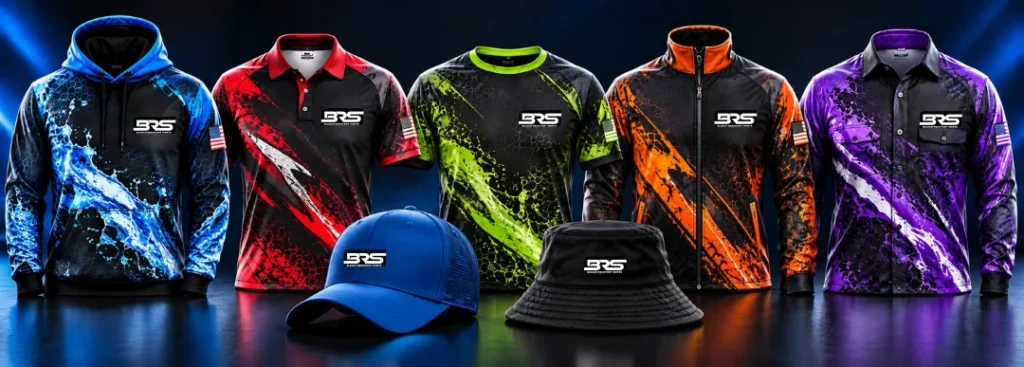
3. Sublimation Printing for Permanent Designs
Another defining feature of high-quality bleach-resistant workwear is dye sublimation printing.
Instead of sitting on top of the fabric, the design becomes part of it.
Why This Matters:
- Logos won’t crack, peel, or fade
- Branding stays sharp even after repeated chemical exposure
- Colors remain vibrant for months (or years)
This is especially important for businesses that rely on uniforms to maintain a professional image.
4. Chemical-Resistant Treatments & Coatings
Beyond fabric and dye, many bleach-resistant shirts include specialized chemical treatments.
These may involve:
- Protective coatings that reduce bleach penetration
- Hydrophobic finishes that repel liquids
- Surface treatments that slow chemical reactions
These enhancements act as a barrier, helping the fabric resist damage from repeated exposure.
5. Durability Built for Real Work Environments
Bleach resistance isn’t just about surviving one splash, it’s about long-term performance.
High-quality work shirts are designed to:
- Withstand daily wear and tear
- Resist fiber breakdown over time
- Maintain shape and strength after multiple washes
Ordinary shirts tend to:
- Fade quickly
- Develop weak spots
- Lose their professional look
Bleach-resistant shirts, on the other hand, are built to last significantly longer, making them more cost-effective over time.
6. Moisture-Wicking & Comfort Features
Modern bleach-resistant shirts aren’t just tough, they’re comfortable too.
Most are designed with:
- Moisture-wicking technology
- Breathable fabrics
- Lightweight construction
This ensures workers stay cool and dry, even in hot or high-intensity environments.
7. Smart Design Choices That Enhance Resistance
Even design plays a role in bleach resistance.
Strategic Elements Include:
- Dark or patterned colors to mask minor wear
- Reinforced stitching for durability
- Quick-drying materials to reduce chemical exposure time
These subtle design decisions help extend the life of the garment.
Why Bleach-Resistant Shirts Are a Smart Investment
If your work environment involves bleach or harsh cleaning agents, investing in specialized workwear isn’t optional, it’s essential.
Key Benefits:
- Longer lifespan than standard shirts
- Consistent professional appearance
- Reduced replacement costs
- Better brand representation
Instead of replacing damaged shirts every few weeks, a bleach-resistant option can last months or longer under the same conditions.
Final Thoughts
A truly bleach-resistant work shirt isn’t defined by a single feature, it’s the result of advanced fabric engineering, specialized dye technology, protective treatments, and smart design working together.
From solution-dyed polyester to sublimated prints and chemical-resistant finishes, every element plays a role in ensuring durability and performance.
For professionals working in tough environments, the difference is clear:
regular shirts wear out, bleach-resistant shirts work harder, last longer, and keep you looking professional every day.