
Working in the HVAC (Heating, Ventilation, and Air Conditioning) industry demands long hours, constant movement, and exposure to a variety of temperatures. Choosing the right workwear, especially HVAC shirts, is crucial for comfort, durability, and performance. The material of your shirt plays a key role in keeping you cool, dry, and professional-looking all day.
In this blog, we’ll break down the best materials for HVAC shirts and why they matter.
Why Material Matters for HVAC Shirts
An HVAC technician’s shirt isn’t just a uniform, it’s a tool. The right fabric can:
- Regulate temperature: Keep you cool in summer and warm in winter.
- Wick away moisture: Reduce sweat buildup during physically demanding tasks.
- Provide durability: Withstand frequent washing, wear, and tear.
- Allow flexibility: Enable easy movement while climbing, bending, and lifting.
Top Materials for HVAC Shirts

1. Cotton
Cotton is a classic choice for work shirts due to its natural comfort.
Benefits:
- Breathable and soft
- Absorbs sweat, keeping the skin dry
- Comfortable for long shifts
Considerations:
- Dries slowly, which may feel damp during intense work
- Can shrink in high heat
Best for: Technicians in moderate climates or indoor jobs.
2. Polyester
Polyester is a synthetic material that’s widely used in workwear.
Benefits:
- Lightweight and durable
- Quick-drying and moisture-wicking
- Resistant to wrinkles and shrinking
Considerations:
- Less breathable than natural fibers
- May feel less soft against the skin
Best for: Outdoor HVAC work or areas with high humidity.
3. Cotton-Polyester Blends
Blended fabrics combine the best of both worlds: the comfort of cotton and the durability of polyester.
Benefits:
- Comfortable and breathable
- Quick-drying and resistant to wrinkles
- Retains shape after multiple washes
Considerations:
- Quality varies, look for at least 50/50 blend
Best for: Everyday HVAC work requiring comfort and durability.
4. Performance Fabrics
Modern workwear often uses advanced fabrics designed for athletic and professional performance.
Features:
- Moisture-wicking technology to keep sweat away
- Stretch fibers for flexibility
- UV protection for outdoor work
Considerations:
- Usually higher price point
- Care instructions may be more specific
Best for: High-intensity HVAC jobs, outdoor work, or techs who want the latest in workwear innovation.
Comparing HVAC Shirt Materials
| Material | Breathability | Moisture Management | Durability | Flexibility | Best Use Case |
|---|---|---|---|---|---|
| Cotton | High | Medium | Medium | High | Indoor, moderate climates |
| Polyester | Medium | High | High | Medium | Outdoor, humid environments |
| Cotton-Polyester Blend | High | High | High | High | Everyday HVAC work |
| Performance Fabrics | High | Very High | Very High | Very High | Outdoor, high-intensity tasks |
Tips for Choosing the Right HVAC Shirt

- Check the Climate: Hot and humid? Go for moisture-wicking polyester or blends. Cold? Layer cotton shirts for warmth.
- Look for Stretch: Flexibility is key when climbing ladders or reaching tight spaces.
- Consider Longevity: Polyester and blends withstand frequent washing better than pure cotton.
- Add Safety Features: Light-reflective strips or high-visibility colors help in outdoor or night jobs.
- Maintenance Matters: Shirts that are easy to wash and resistant to shrinkage save time and money.
Conclusion
The right HVAC shirt can make a big difference in your daily comfort, performance, and professionalism. While cotton offers softness, polyester provides durability, and blends give the best of both worlds. For techs facing demanding outdoor jobs, performance fabrics are a smart investment.
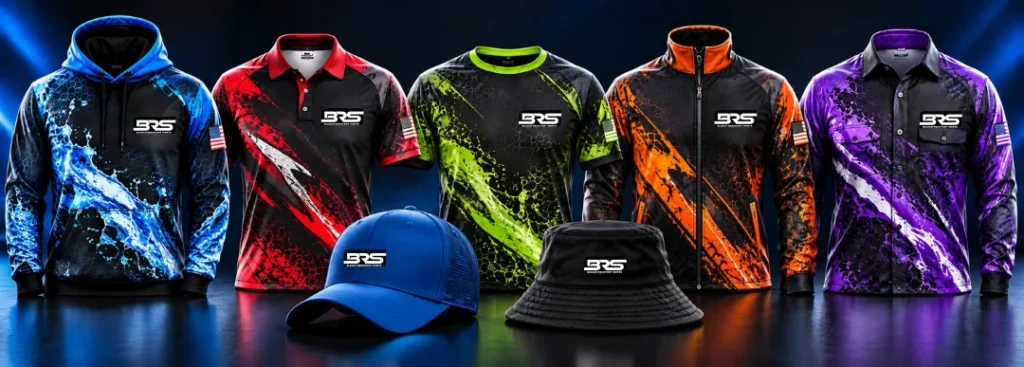
When choosing HVAC shirts, prioritize comfort, moisture management, and flexibility, you’ll thank yourself after a long day on the job. Design your team’s HVAC Shirt here.