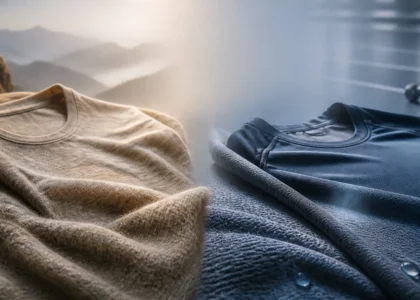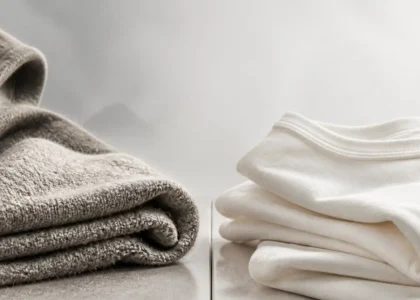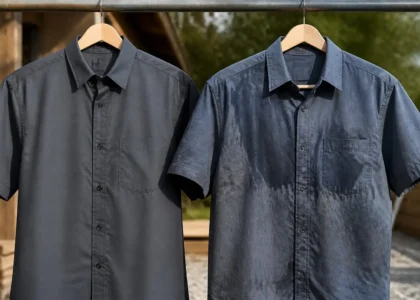
Choosing the right fabric for pressure washing shirts is one of the most important decisions for anyone working in exterior cleaning, roof washing, or soft washing. While most people focus on tools like pressure washers and chemicals, experienced professionals know that workwear is just as important as equipment.
Your shirt is constantly exposed to bleach-based chemicals, high-pressure mist, UV rays, sweat, and dirt buildup. Over time, low-quality fabrics break down, fade, or become uncomfortable to wear, leading to higher replacement costs and reduced productivity.
This guide takes a deep dive into the best fabrics used in pressure washing shirts, how they react to chemicals, and what professionals should look for when choosing workwear.
Why Fabric Selection Is Critical in Pressure Washing Work
Unlike regular outdoor labor, pressure washing introduces a unique combination of stress factors:
- Chemical exposure (especially sodium hypochlorite / bleach)
- High moisture and saturation from overspray
- Constant sun exposure during outdoor cleaning
- Abrasion from movement, ladders, and equipment
- Repeated washing cycles to remove chemical residue
These conditions create a situation where normal clothing fails quickly.
A good pressure washing shirt must balance five essential qualities:
- Chemical resistance
- Durability under stress
- Comfort for long working hours
- Moisture management (quick drying)
- Color stability under bleach exposure
Most fabrics only satisfy one or two of these conditions, but not all.
1. Polyester – The Industry Standard for Pressure Washing Shirts
Polyester is widely recognized as the most reliable fabric for professional pressure washing apparel. It is a synthetic fiber engineered for strength, resilience, and chemical resistance.
Why polyester performs so well
Polyester has a tight molecular structure that resists absorption of liquids, which is critical when working around bleach-based solutions. Unlike cotton, which absorbs moisture and chemicals, polyester tends to repel water-based solutions, reducing long-term damage.
It also maintains its structure even after repeated exposure to harsh cleaning environments, which makes it ideal for daily use.
Key advantages of polyester shirts:
- Highly resistant to bleach splatter compared to natural fibers
- Dries extremely fast after getting wet
- Lightweight and suitable for hot outdoor environments
- Retains shape even after repeated washing
- More resistant to staining and discoloration
Professionals prefer polyester because it reduces the “wear-and-tear cycle” common in cotton clothing, saving money over time.
Limitations of polyester:
- Can feel warmer in extreme heat due to lower breathability
- May retain odor if not washed properly
- Slightly synthetic texture compared to cotton
Even with these drawbacks, polyester remains the best all-around option for pressure washing professionals.
2. Cotton – Comfortable but Not Built for Chemical Work
Cotton is often considered the most comfortable fabric, but comfort does not equal durability in chemical environments.
Why people still use cotton
Cotton is soft, breathable, and widely available. For general labor, it performs well. However, in pressure washing environments, its weaknesses become clear quickly.
The problem with cotton in pressure washing:
Cotton is a natural fiber made from cellulose, which means it absorbs liquids easily. When exposed to bleach or sodium hypochlorite:
- The fibers weaken over time
- Fabric becomes thin and worn
- Color fades rapidly
- Stains become permanent
- Drying time increases significantly
Repeated exposure causes cotton shirts to lose structure, making them unsafe and unprofessional in appearance.
When cotton still makes sense:
- Low chemical exposure tasks
- Indoor maintenance work
- Short-duration jobs
- Non-professional or casual use
In professional pressure washing, cotton is generally considered a short-term or backup option only.
3. Cotton-Polyester Blends – The Middle Ground Option
Cotton-polyester blends are designed to combine the comfort of cotton with the durability of polyester.
Why blends are popular
Manufacturers often use blends like 60/40 or 50/50 because they offer a balance between softness and performance. These shirts are widely used in general industrial workwear.
Benefits of blended fabrics:
- More breathable than pure polyester
- More durable than pure cotton
- Moderate resistance to moisture
- Better flexibility and comfort during movement
- Lower cost compared to technical fabrics
Limitations in pressure washing environments:
Even though blends perform better than cotton, they still contain natural fibers that:
- Absorb bleach and chemicals
- Fade unevenly over time
- Break down faster under heavy chemical exposure
This makes blends a compromise solution, not a professional-grade one for heavy soft washing work.
4. Nylon and Advanced Synthetic Fabrics – Premium Durability Option
Nylon and engineered synthetic fabrics are often used in high-performance industrial clothing due to their strength and resistance.
Why nylon is used in industrial settings
Nylon is known for its high tensile strength and abrasion resistance, which makes it suitable for demanding environments where physical wear is high.
Advantages of nylon-based shirts:
- Extremely durable against tearing and friction
- Good resistance to chemical exposure
- Lightweight yet strong
- Flexible for active movement
- Long lifespan in harsh conditions
Downsides:
- Can trap heat in hot environments
- Less breathable than cotton
- More expensive than standard workwear fabrics
Nylon is often used in specialized gear rather than everyday pressure washing shirts, but it is an excellent option for high-intensity professional use.
5. The Most Important Factor: Solution-Dyed Fabric Technology
Fabric type alone does not determine durability, the dyeing process is equally important.
What is solution-dyed fabric?
Solution-dyed fabric is created by adding color pigments directly into the fiber during production, rather than applying dye to the finished fabric.
Why this matters for pressure washing:
When bleach contacts regular dyed fabric:
- Color can strip or spot instantly
- Uneven fading occurs
- Fabric looks worn even if structurally intact
With solution-dyed fabrics:
- Color is embedded inside the fiber
- Bleach exposure causes minimal visible damage
- Shirts maintain a professional appearance longer
- Fabric lifespan increases significantly
This technology is one of the key reasons modern pressure washing apparel lasts longer than traditional workwear.
6. Fabric Performance Comparison Summary
Here’s a simple breakdown for professionals:
- Polyester: Best overall balance of durability, drying speed, and chemical resistance
- Cotton: Most comfortable but least durable in chemical environments
- Cotton-poly blends: Middle-ground option for light to moderate work
- Nylon/synthetics: Highest durability but less breathable
7. Maintenance Tips to Extend Shirt Life
Even the best fabric needs proper care. To extend the life of pressure washing shirts:
- Rinse shirts immediately after bleach exposure
- Wash separately from regular clothing
- Avoid high heat drying when possible
- Use mild detergents to preserve fibers
- Store in dry, shaded areas
Proper maintenance can significantly extend garment lifespan, especially for polyester-based workwear.
Final Thoughts
In the pressure washing and soft washing industry, clothing is not just about appearance, it’s part of your protective system. The wrong fabric can lead to frequent replacements, discomfort, and unprofessional appearance on job sites.
For most professionals, solution-dyed polyester remains the best fabric choice due to its balance of durability, chemical resistance, and long-term cost efficiency.
As the industry continues to grow, specialized workwear, like those offered by Bleach Resistant Shirts, is becoming the standard for crews who want reliable, long-lasting performance in the field.