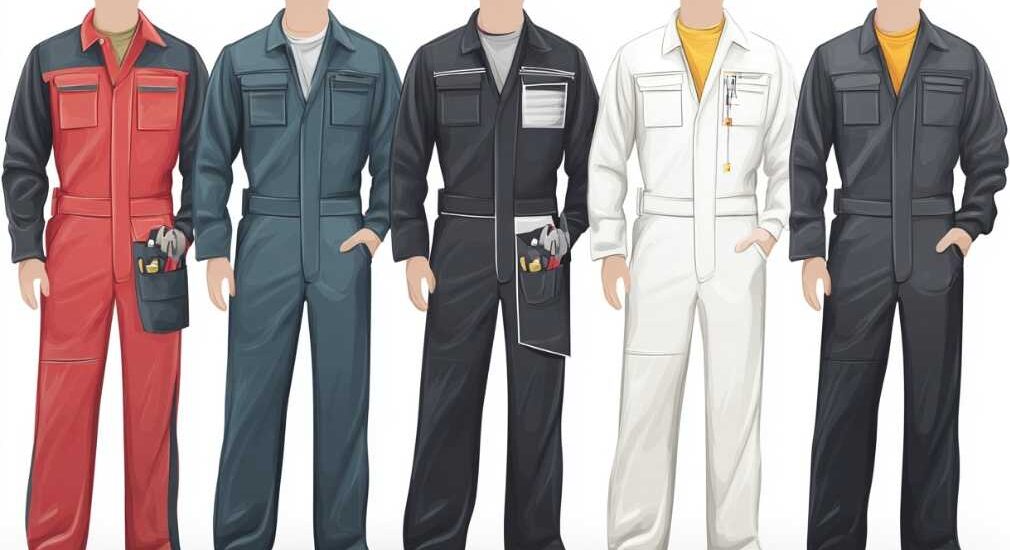
In today’s competitive business world, your company uniform is more than just clothing, it is a walking representation of your brand identity, professionalism, and company culture. A well-designed uniform helps customers instantly recognize your team, builds trust, and creates a sense of unity among employees.
Whether you run a service business, hospitality brand, retail store, or industrial operation, the right uniform can elevate your entire brand image. At Bleach Resistant Shirts, we understand that uniforms must be both durable and stylish, especially for teams that work hard every day.
In this guide, we’ll walk you through how to design the perfect company uniform for your crew.
1. Understand Your Brand Identity First
Before choosing colors or fabrics, you need to clearly define your brand personality.
Ask yourself:
- What message does my brand want to communicate?
- Do we want to appear modern, corporate, fun, or rugged?
- What emotions should customers feel when they see our staff?
Your uniform should reflect your brand values. For example:
- A corporate office may prefer formal shirts and blazers.
- A restaurant may choose practical, stain-resistant uniforms.
- A construction team may need durable, high-visibility workwear.
A uniform is not just clothing, it is a visual extension of your brand.
2. Choose the Right Fabric for Comfort and Durability
Fabric selection is one of the most important decisions in uniform design. A poor fabric choice can lead to discomfort, quick wear and tear, and a negative impression on customers.
Key factors to consider:
- Breathability (important for hot climates like Pakistan)
- Durability (frequent washing and daily wear)
- Stain resistance (especially for food, industrial, or outdoor work)
- Flexibility and comfort
This is where specialized materials like bleach-resistant and durable fabrics become extremely useful, especially for teams that require long-lasting performance uniforms.
A good uniform should feel comfortable for employees even during long working hours.
3. Keep the Design Simple and Professional
One of the most common mistakes businesses make is overcomplicating uniform design.
A strong uniform design should be:
- Clean and minimal
- Easy to recognize
- Consistent with brand colors
- Not overly crowded with logos or text
Best practices include:
- Place the logo on the chest or sleeve
- Use 1–2 brand colors maximum
- Keep typography simple and readable
Remember: simplicity increases professionalism.
4. Prioritize Functionality Based on Job Roles
Not all employees perform the same tasks, so their uniforms should not be identical.
Consider role-based uniform design:
- Front desk / customer service: Formal shirts or polos
- Outdoor staff: Breathable, sun-protective, durable fabrics
- Kitchen staff: Stain-resistant, easy-to-clean materials
- Technical workers: Reinforced and functional workwear
A good uniform should help employees perform better, not restrict them.
5. Focus on Comfort and Fit
Even the best-looking uniform will fail if employees feel uncomfortable wearing it.
Key comfort factors:
- Proper sizing for all body types
- Stretchable or flexible fabrics
- Lightweight material for long shifts
- Proper ventilation for heat management
When employees feel comfortable, they naturally perform better and represent the brand more confidently.
6. Use Colors That Represent Your Brand
Color psychology plays a major role in uniform design.
Some common associations:
- Blue: Trust, professionalism, stability
- Black: Authority, elegance, strength
- White: Cleanliness, simplicity, transparency
- Red: Energy, urgency, attention
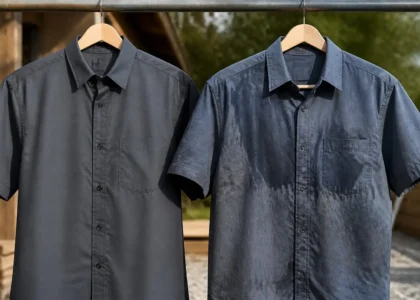
Choose colors that not only match your branding but also suit the work environment. Darker colors often perform better in dirty or high-activity environments because they hide stains more effectively.
7. Add Branding Strategically
Your uniform should promote your brand without overwhelming it.
Effective branding techniques include:
- Embroidered logos (premium and durable)
- Printed back logos (for visibility)
- Subtle sleeve branding
- Name tags for personalization
The goal is to make your brand recognizable without making the uniform look like an advertisement.
8. Don’t Forget Maintenance and Longevity
A great uniform should be easy to maintain.
Consider:
- Washability (can it withstand frequent washing?)
- Color fading resistance
- Fabric strength over time
- Resistance to stains and chemicals
Uniforms are an investment, choosing long-lasting materials reduces replacement costs and keeps your team looking professional for longer.
9. Test Before Full Production
Before finalizing bulk orders:
- Create samples
- Test comfort and durability
- Get feedback from employees
- Check fabric performance in real working conditions
This step helps avoid costly mistakes and ensures satisfaction across your team.
10. Work with a Reliable Uniform Supplier
The quality of your uniforms depends heavily on your supplier. Choose a manufacturer that understands:
- Fabric technology
- Branding requirements
- Industry-specific needs
- Customization options
At Bleach Resistant Shirts, we focus on producing durable, high-performance uniforms designed to withstand tough working environments while maintaining a professional appearance.
Final Thoughts
Designing the perfect company uniform is a balance of branding, comfort, durability, and functionality. When done right, uniforms become more than just workwear, they become a powerful branding tool that strengthens your company identity and improves team unity.
A well-designed uniform helps your employees feel confident, look professional, and represent your business at the highest level every day.