Ordering bulk custom work shirts is not just a simple purchasing decision, it is a strategic investment in your brand identity, employee professionalism, and workplace efficiency. Businesses across industries such as construction, hospitality, logistics, retail, and corporate services rely on custom uniforms to create a unified look that builds trust with customers and improves team cohesion.
However, many companies make the mistake of rushing into bulk orders without fully understanding fabric types, printing methods, sizing logistics, and supplier reliability. These mistakes often lead to wasted budgets, uncomfortable uniforms, and inconsistent branding results. To avoid these issues, it is important to understand every key factor before placing an order.
Understanding the Purpose of Your Work Shirts
Before you even begin selecting designs or fabrics, the most important step is clearly identifying the purpose of your work shirts. The intended use will influence every other decision in the process, including fabric weight, printing style, durability requirements, and cost expectations.
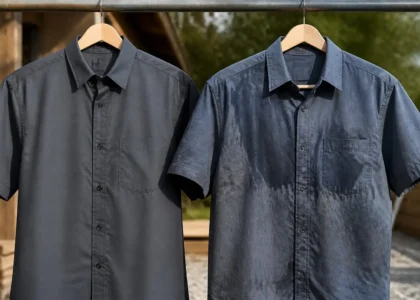
For example, if the shirts are intended for construction workers or warehouse staff, durability and breathability become the top priority. These employees are often exposed to heat, sweat, dust, and physical activity, so the shirts must be strong enough to handle daily wear and frequent washing. On the other hand, corporate employees or customer-facing staff require a more polished and professional appearance, where design, fit, and branding consistency matter more than rugged durability.
Event-based shirts, such as promotional uniforms or one-time campaigns, may prioritize affordability and visual impact rather than long-term durability. Clearly defining the purpose ensures that you choose the right materials and avoid overspending on unnecessary features.
Choosing the Right Fabric for Comfort and Durability
Fabric selection is one of the most important aspects of bulk custom work shirts because it directly affects comfort, performance, and lifespan. A poor fabric choice can result in discomfort for employees, faster wear-and-tear, and even negative perceptions of your brand.
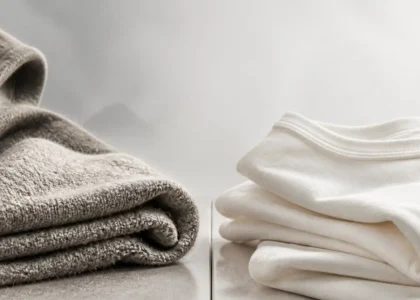
Cotton is one of the most popular materials due to its softness and breathability. It is especially suitable for indoor environments or jobs that require long hours of wear. However, pure cotton may shrink after washing and may not perform well in extremely hot or physically demanding environments.
Polyester and performance blends are often preferred for industrial or outdoor work environments. These fabrics are lightweight, moisture-wicking, and resistant to wrinkles and shrinking, making them ideal for active workers. They also tend to last longer under frequent washing conditions.
A cotton-polyester blend is often the most balanced option for bulk orders. It combines the comfort of cotton with the durability of polyester, making it suitable for a wide range of industries. Businesses often choose this option because it provides a good balance between comfort, cost, and long-term usability.
Fabric weight, often measured in GSM (grams per square meter), is another important factor. Lightweight fabrics (160–180 GSM) are breathable but less durable, while medium-weight fabrics (180–220 GSM) offer a strong balance for everyday use. Heavy-duty fabrics above 220 GSM are best for rugged environments where durability is essential.
Printing Methods and Their Long-Term Impact
The printing method used for your custom work shirts determines not only the appearance of your logo but also how long it will last after repeated washing and daily wear. Choosing the wrong method can result in fading designs, cracking prints, or poor brand representation.
Screen printing is one of the most widely used methods for bulk orders because it is cost-effective and produces vibrant, long-lasting results. It works best for simple logos or designs with limited colors and is ideal for large production runs.
Embroidery, on the other hand, provides a more premium and professional appearance. Instead of printing ink on fabric, embroidery uses stitched thread, which makes it extremely durable. This method is commonly used for corporate uniforms, polo shirts, and jackets where a high-end finish is required.
Heat transfer and DTF (Direct-to-Film) printing allow for more detailed and colorful designs, including gradients and complex logos. These methods are flexible and suitable for smaller or medium-sized orders, although they may not be as durable as embroidery or screen printing under heavy industrial use.
Choosing the right printing method depends on your budget, design complexity, and expected shirt usage.
The Importance of Accurate Sizing in Bulk Orders
One of the most overlooked but critical aspects of bulk custom work shirts is sizing accuracy. Even if the fabric and printing are perfect, incorrect sizing can lead to employee discomfort, wasted inventory, and additional replacement costs.
Before placing an order, businesses should collect accurate size information from all employees. This includes understanding the distribution of sizes such as small, medium, large, XL, and extended sizes like 3XL or 5XL if required. Relying on estimates instead of actual measurements often leads to errors that become expensive to fix later.
It is also a good practice to order a few extra shirts in each size category to accommodate new employees or replacements. Many companies add 10–15% extra stock for this reason. Proper sizing planning ensures that every employee receives a comfortable and well-fitting uniform, which directly impacts their productivity and satisfaction.
Branding Consistency and Color Accuracy
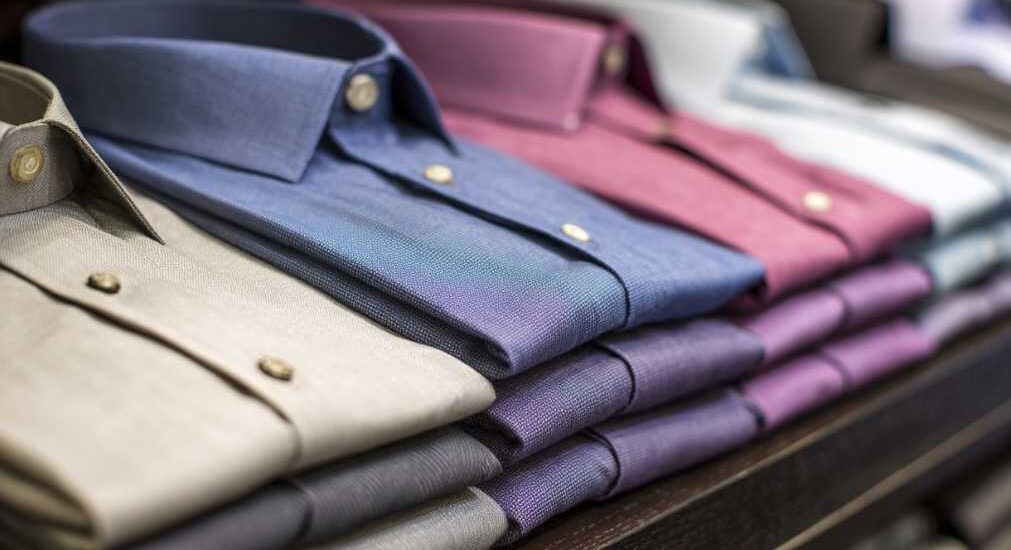
Maintaining brand consistency across all uniforms is essential for creating a professional company image. In bulk orders, even slight variations in color shades or logo placement can affect the overall visual identity of your team.
To avoid this, businesses should always confirm exact color codes, preferably using Pantone references if available. It is also important to ensure that logo placement is consistent across all shirt sizes and styles. A design that looks perfect on a medium shirt may appear misaligned on larger sizes if not properly adjusted.
Requesting a digital mockup or physical sample before full production is a crucial step. This allows you to review the final appearance and make adjustments before committing to a large order. Consistency in branding not only improves professionalism but also strengthens customer trust and recognition.
Why Samples Are Essential Before Bulk Production
Many businesses skip sampling to save time or cost, but this often leads to regret later. A sample allows you to physically evaluate the shirt before committing to hundreds or thousands of units.
With a sample, you can check fabric comfort, stitching quality, logo accuracy, color matching, and overall fit. It also helps identify any design issues that may not be visible in digital previews. Even small corrections made at the sampling stage can prevent major losses during bulk production.
Reliable suppliers usually encourage sampling because it demonstrates transparency and quality assurance.
Pricing, Bulk Discounts, and Cost Planning
Bulk custom work shirts are typically priced based on quantity tiers, meaning the cost per unit decreases as the order size increases. This pricing structure benefits businesses that plan carefully and order in larger volumes.
However, pricing is influenced by several factors including fabric quality, printing complexity, number of colors used, customization options, and delivery timelines. Premium materials and embroidery will naturally increase costs, while simpler screen-printed designs tend to be more affordable.
A useful strategy is to review pricing tiers carefully because sometimes slightly increasing your order quantity can significantly reduce the per-unit cost, resulting in overall savings.
Production Timelines and Planning Ahead
Custom shirt production is not immediate, especially for bulk orders. The process typically includes design confirmation, sampling, production, quality control, and shipping. Each stage takes time, and rushing can increase costs or reduce quality.
On average, bulk orders may take anywhere from two to four weeks depending on complexity and quantity. Businesses should always plan ahead and avoid last-minute orders, especially for events or seasonal requirements.
Proper timeline management ensures smooth delivery and reduces the risk of delays affecting operations.
Choosing a Reliable Supplier Matters Most
Even with the best design and materials, the final quality depends heavily on the supplier. A reliable manufacturer ensures consistency, durability, and professional finishing across all units.
A good supplier should offer quality control checks, material consistency, clear communication, and the ability to handle large-scale production. Experience in workwear manufacturing is also important, as it ensures that the shirts are designed for real working conditions.
If you are looking for durable and bleach-resistant work shirts designed for tough environments, you can explore options here:
👉 https://bleachresistantshirts.com/
Final Thoughts
Bulk custom work shirts are more than just uniforms, they are a reflection of your brand, professionalism, and company culture. When planned carefully, they can improve employee confidence, strengthen brand identity, and enhance customer perception.
By focusing on fabric quality, correct sizing, proper printing methods, and choosing a trusted supplier, businesses can avoid common mistakes and achieve long-lasting, high-quality results that truly represent their brand.