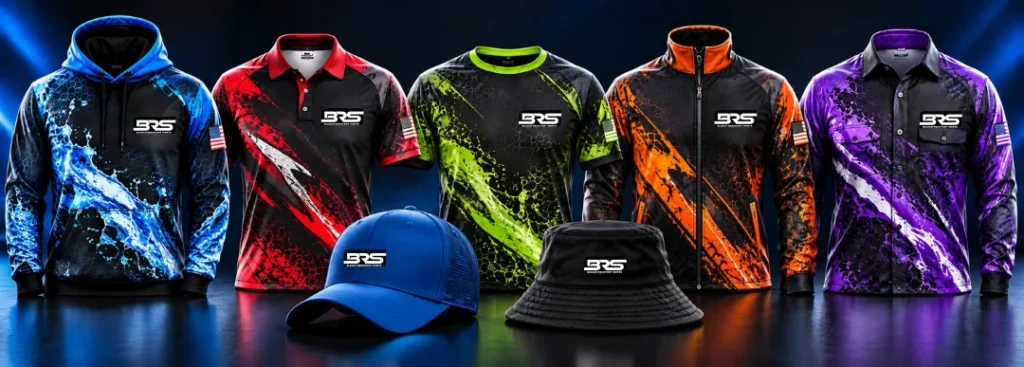
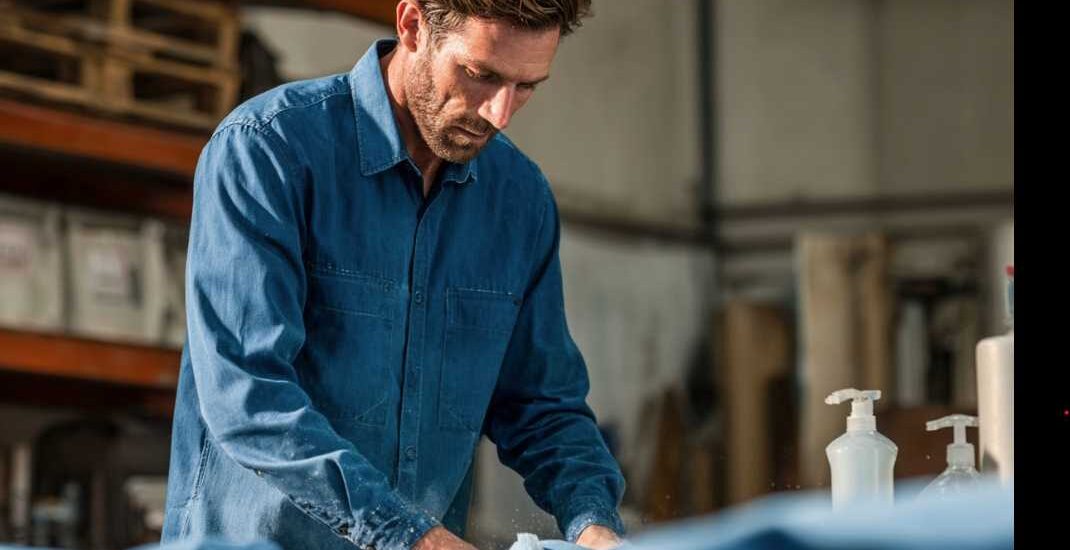
In industries where clothing is constantly exposed to harsh chemicals, sunlight, sweat, and repeated washing, a standard T-shirt simply doesn’t survive for long. One of the biggest challenges comes from bleach exposure, whether accidental splashes during cleaning work, pressure washing, or industrial maintenance. This is where bleach-resistant work shirts claim to make a difference.
But how well do they actually perform in real-world conditions? Let’s take a closer look at what “bleach-resistant” really means and what happens when these shirts are put to the test.
What Does “Bleach-Resistant” Really Mean?
Despite how it sounds, bleach-resistant does not mean bleach-proof.
According to manufacturers and textile explanations, bleach-resistant shirts are designed using specialized synthetic fibers, often polyester-based or sublimation-dyed fabrics, that resist discoloration when exposed to diluted or accidental bleach contact.
However, these fabrics are still vulnerable to prolonged exposure or high concentrations of bleach, which can eventually degrade fibers over time. In other words, resistance is about delaying damage and preserving appearance, not making the fabric invincible.
Why Ordinary Shirts Fail Quickly
Traditional cotton or low-grade blended shirts are not built for chemical environments. When exposed to bleach, they typically experience:
- Rapid fading or blotchy discoloration
- Weakening of fibers over time
- Loss of professional appearance
- Shortened lifespan of the garment
In industries like pressure washing, landscaping, automotive detailing, or janitorial work, this leads to frequent replacement costs and inconsistent uniforms.
The Science Behind Bleach Resistance
Bleach-resistant shirts rely on a few key design principles:
1. Solution-Dyed or Sublimated Fabric
Instead of dye sitting on the surface of the fabric, color is infused into the fibers themselves. This makes fading much harder, even when exposed to chemicals.
2. Synthetic Fiber Strength
Polyester-based materials are more chemically stable than cotton, allowing them to withstand mild bleach exposure without immediate breakdown.
3. Protective Coating & Construction
Some garments include finishes that slow chemical absorption and reduce immediate fiber damage.
These combined technologies help shirts maintain their color integrity and structure longer under harsh working conditions.
Putting Bleach-Resistant Shirts to the Test
When tested in real job conditions, such as pressure washing, cleaning services, and outdoor maintenance, bleach-resistant shirts show clear advantages:
✔ Color Retention Under Chemical Exposure
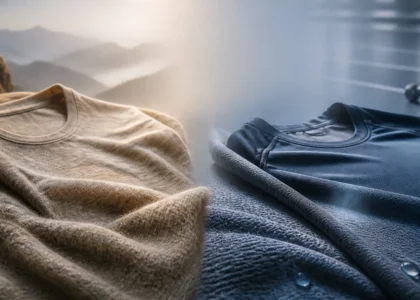
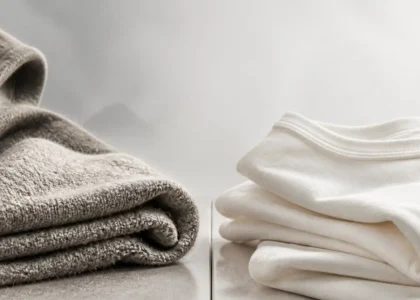
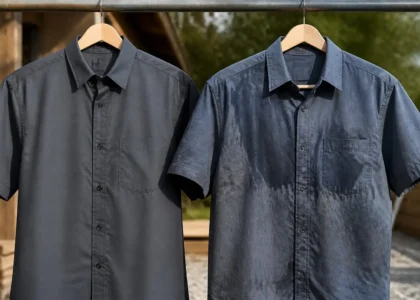
Accidental bleach splashes that would instantly stain cotton often leave little to no visible mark on bleach-resistant fabrics.
✔ Longer Professional Appearance
Logos, branding, and shirt colors stay sharper for significantly longer, helping teams maintain a uniform, professional look.
✔ Improved Durability in Harsh Environments
Beyond bleach, these shirts also handle sun exposure, water, and friction better than standard cotton tees.
However, the testing also reveals an important limitation:
Prolonged soaking or direct application of strong bleach will eventually damage even bleach-resistant fabric.
This reinforces the idea that these shirts are built for real-world accidents, not chemical abuse.
Real-World Use Cases
Bleach-resistant shirts are especially valuable in:
- Pressure washing crews
- Janitorial and cleaning services
- Landscaping and outdoor labor
- Automotive detailing
- Industrial maintenance teams
In these environments, shirts are constantly exposed to unpredictable chemical contact. Having gear that survives those conditions reduces replacement costs and improves team presentation.
The Hidden Benefit: Branding & Professional Image
One of the most overlooked advantages of bleach-resistant workwear is branding.
Because the fabric maintains color consistency and print clarity, companies can:
- Keep logos looking sharp
- Maintain consistent uniforms across crews
- Improve customer trust through clean, professional appearance
In service industries, appearance often directly impacts perceived reliability.
Final Verdict: Are Bleach-Resistant Shirts Worth It?
Yes, but with realistic expectations.
Bleach-resistant work shirts are not indestructible. Instead, they are engineered to:
- Survive accidental chemical exposure
- Extend garment lifespan
- Maintain color and branding quality
- Reduce long-term replacement costs
For workers in demanding environments, they represent a practical upgrade over standard cotton shirts.
But if exposed to heavy or repeated bleach contact without care, even these shirts will eventually show wear.
Conclusion
Putting bleach-resistant work shirts to the test reveals a clear truth: they are not about perfection, they are about protection.
They bridge the gap between everyday workwear and industrial durability, offering a smarter solution for people who work in environments where accidents are inevitable.
In short, they don’t eliminate damage entirely, but they drastically reduce how often you have to replace your uniform.