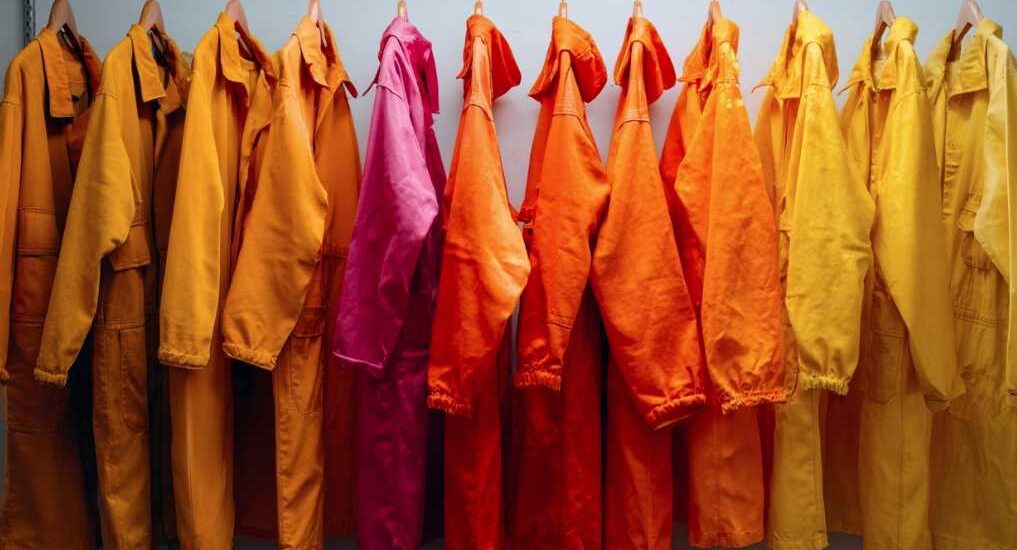
Bleach-resistant workwear is designed for demanding environments where exposure to harsh chemicals is part of the job. Whether you work in cleaning services, maintenance, salons, or industrial environments, these garments help maintain a professional appearance while resisting fading and damage from bleach exposure.
However, “resistant” does not mean “indestructible.” Proper care is essential to ensure your workwear lasts longer, performs better, and continues to protect its appearance and fabric integrity over time.
Below is a complete guide to caring for your bleach-resistant workwear the right way.
1. Understand What “Bleach-Resistant” Really Means
Before learning how to care for your garments, it’s important to understand what they are made for.
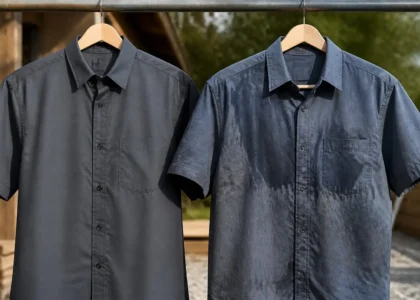
Bleach-resistant clothing is typically made from synthetic blends (often polyester-based) designed to withstand light splashes and accidental exposure without immediate fading or discoloration. However, prolonged contact with concentrated bleach can still damage fibers over time.
In other words:
- ✔ Resists accidental splashes
- ✔ Maintains color and print longer
- ✘ Not immune to strong or prolonged chemical exposure
As experts explain, no fabric is completely “bleach-proof”,
even specialized garments can degrade if bleach is left sitting too long or used incorrectly.
2. Wash Your Workwear Separately
One of the most important care rules is separation.
Always wash bleach-resistant uniforms separately from your regular clothing. This helps:
- Prevent cross-contamination from harsh chemicals
- Avoid color transfer between fabrics
- Protect delicate garments in your wardrobe
Use a dedicated “workwear load” whenever possible.
3. Use Mild Detergent Only
Harsh cleaning agents can reduce the lifespan of protective fabrics.
Stick to:
- Mild liquid detergent
- Enzyme-based cleaners for stains
- No bleach additives in routine washes
Avoid:
- Chlorine bleach
- Fabric softeners (can coat fibers and reduce performance)
- Strong chemical stain removers unless necessary
Gentle detergents help maintain fabric strength and moisture-wicking performance over time.
4. Choose the Right Water Temperature
Temperature plays a big role in preserving synthetic workwear.
Best practice:
- Cold or lukewarm water for regular washing
- Avoid high heat washing unless heavily soiled
Cold water helps:
- Preserve color vibrancy
- Prevent fiber breakdown
- Maintain fabric structure and elasticity
5. Treat Bleach Exposure Immediately
If your garment comes into contact with bleach, quick action matters.
Steps to follow:
- Rinse the affected area immediately with cold water
- Blot (don’t rub) to remove excess chemical
- Wash the garment as soon as possible
- Avoid letting bleach sit on fabric for long periods
This reduces the risk of permanent weakening or discoloration.
6. Avoid High Heat Drying
Heat is one of the biggest enemies of synthetic protective fabrics.
Instead of high-heat drying:
- Air dry whenever possible
- Hang garments in a shaded, ventilated area
- Use low heat tumble drying only if necessary
High heat can:
- Weaken fibers
- Reduce moisture resistance
- Shorten garment lifespan
Air drying is the safest long-term option.
7. Turn Garments Inside Out Before Washing
Turning your workwear inside out protects the outer layer where branding, prints, and protective coatings are applied.
Benefits:
- Reduces friction damage
- Preserves printed logos
- Minimizes fading
- Protects fabric coating
This small step significantly improves durability.
8. Avoid Overwashing
Even durable workwear doesn’t need excessive washing.
Wash only when:
- Visibly dirty
- Exposed to chemicals or sweat
- After multiple wears (if not heavily soiled)
Overwashing can gradually wear down synthetic fibers and reduce protective properties.
9. Handle Stains the Smart Way
For stubborn stains (oil, dirt, or grime):
- Pre-treat with mild detergent
- Let it sit for 5–10 minutes
- Gently rub before washing
Avoid aggressive scrubbing, which can damage fabric texture.
10. Store Your Workwear Properly
Storage matters more than most people realize.
Best practices:
- Store in a dry, cool place
- Avoid damp environments (prevents odor and bacteria)
- Hang uniforms to maintain shape
- Ensure garments are completely dry before storing
Final Thoughts
Caring for bleach-resistant workwear is about balance: protecting the fabric while maintaining its functional performance. These garments are designed to handle tough environments, but their lifespan depends heavily on how they are maintained.
By following simple habits—gentle washing, cold water, immediate stain treatment, and proper drying—you can significantly extend the life and appearance of your work uniforms.
Well-maintained workwear doesn’t just last longer—it keeps you looking professional, consistent, and ready for demanding tasks every day.