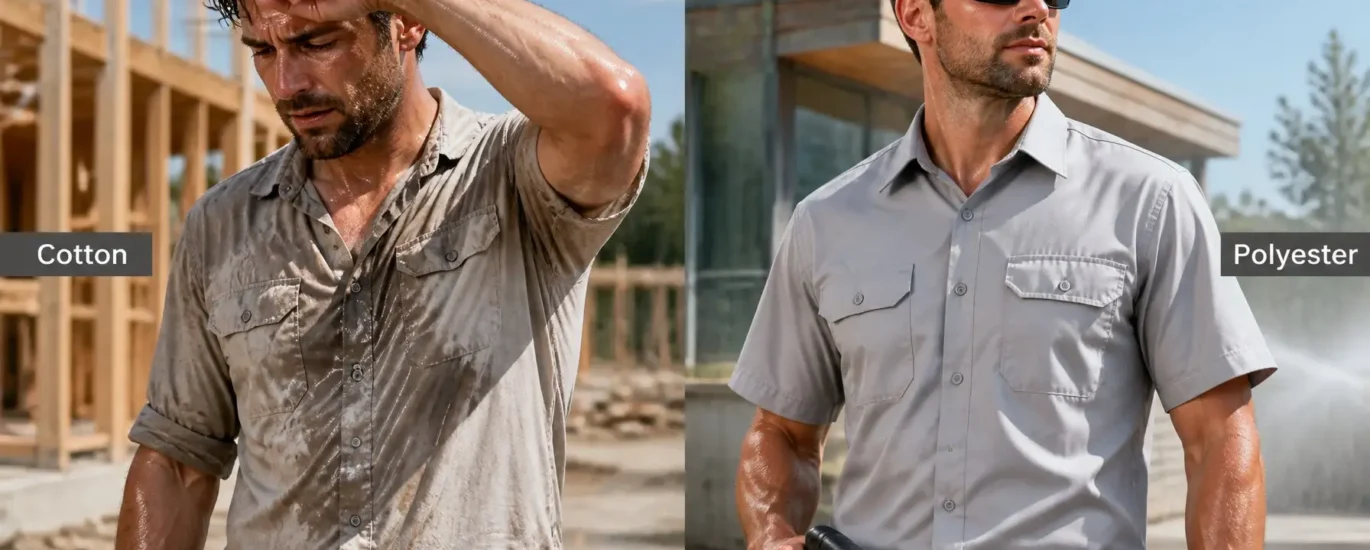
If you’ve ever stood in a uniform aisle trying to decide between a cotton shirt and a polyester one, you already know the choice isn’t as simple as it looks. The polyester vs cotton debate comes up constantly for pressure washing crews, landscapers, pool techs, and anyone who spends their day outside in changing weather and tough conditions.
Both fabrics have real strengths. But once you understand how each one behaves under sweat, sun, chemicals, and repeated washing, the right choice for work shirts becomes a lot clearer. This guide breaks down the differences so you can pick a fabric that actually holds up to your job, not just your closet.
What Is Polyester?
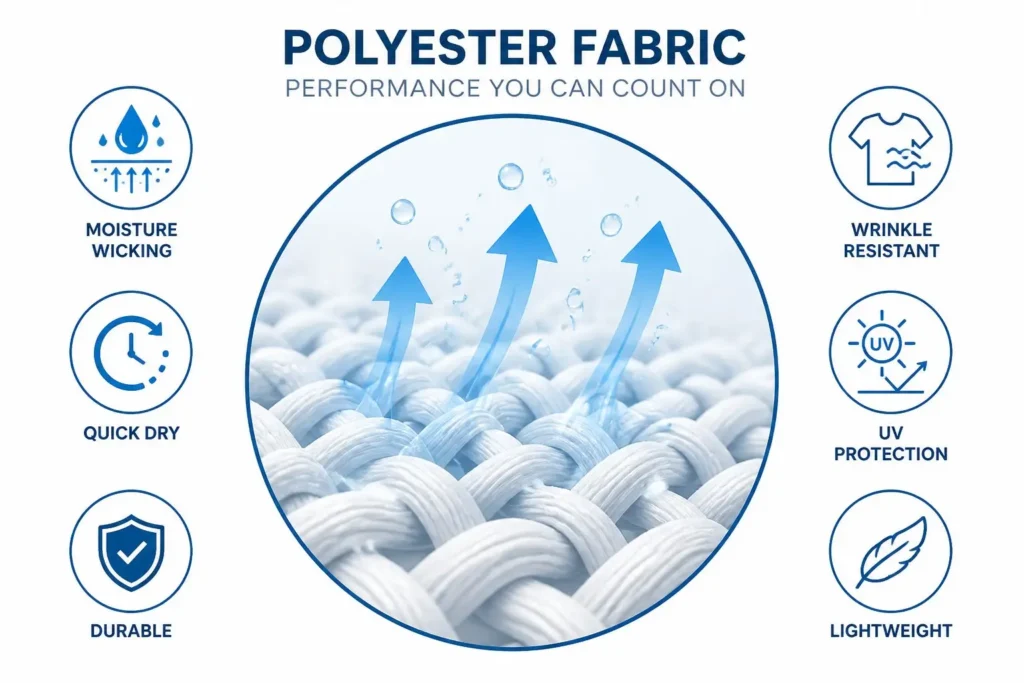
Polyester is a synthetic fabric made from polymer fibers, most commonly derived from petroleum-based materials. It’s engineered rather than grown, which gives manufacturers precise control over how the fabric performs.
This synthetic construction is why polyester shirts are known for moisture wicking, quick drying, and wrinkle resistance. The fibers don’t absorb water the way natural fibers do; instead, they push moisture to the surface of the fabric where it evaporates faster. That’s a major reason polyester workwear has become the go-to option for athletic shirts and outdoor uniforms.
Polyester also resists shrinking, holds color well after repeated washing, and stands up better to harsh chemicals, including bleach. That last point matters a lot if your team works with cleaning solutions, chlorine, or other bleach-based products on a regular basis.
What Is Cotton?
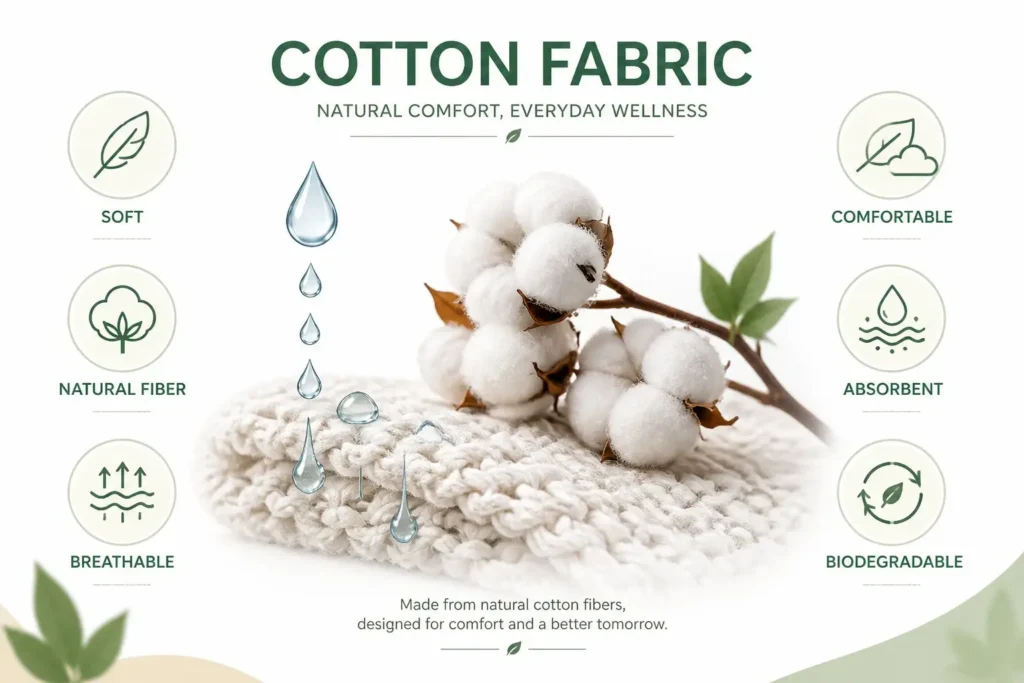
Cotton is a natural fiber harvested from the cotton plant and spun into yarn before it’s woven into fabric. People have relied on it for centuries because it’s soft, breathable, and comfortable against the skin.
Cotton fabric is highly absorbent, which gives it a soft, cool feel when you first put it on. It breathes well in mild conditions and is a common choice for casual shirts, undergarments, and light everyday wear.
The tradeoff is that cotton absorbs sweat and moisture rather than pushing it away from the body. Once soaked, cotton stays wet and heavy, and it dries slowly. It’s also more prone to shrinking, wrinkling, and breaking down when exposed to bleach or strong chemicals over time.
Polyester vs Cotton: Quick Comparison Table
| Feature | Polyester | Cotton |
| Moisture Wicking | Excellent | Poor |
| Durability | High | Medium |
| Dry Time | Fast | Slow |
| Bleach Resistance | Excellent | Poor |
| Wrinkle Resistance | Excellent | Poor |
| UV Protection | Good | Moderate |
| Outdoor Work | Excellent | Average |
Comfort Comparison
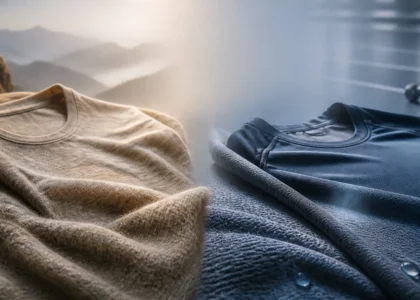
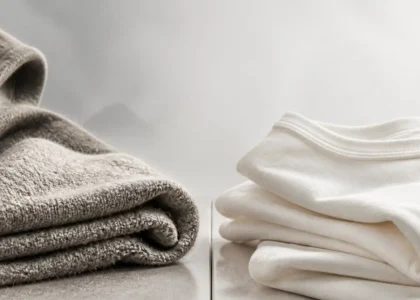
Which fabric feels more comfortable? Comfort depends on the activity. Cotton feels softer at rest, while polyester feels more comfortable during movement and sweat-heavy work because it doesn’t cling or stay wet.
For someone sitting in an air-conditioned office, cotton’s soft hand-feel is hard to beat. But comfort changes fast once physical activity and sweat enter the picture. Wet cotton clings to the skin and gets heavier as the day goes on, which can feel uncomfortable during long shifts.
Polyester shirts, especially ones designed with moisture-wicking technology, tend to feel lighter and drier throughout a physically demanding day. For outdoor workers moving constantly between sun, shade, and physical labor, that dry-feeling comfort tends to matter more than initial softness.
Breathability
Is cotton more breathable than polyester? Cotton is naturally breathable in mild, dry conditions. However, modern polyester fabric uses engineered weaves that allow airflow while also wicking sweat, often outperforming cotton in hot, humid, or high-exertion environments.
Breathability isn’t just about airflow through the fabric. It’s also about how quickly moisture leaves the body. Cotton lets air pass through, but once it’s soaked with sweat, that breathability drops sharply because the wet fibers cling to the skin.
Polyester’s engineered fiber structure allows air to move through the fabric while actively pulling moisture away from your body. That’s why so many athletic shirts and performance work shirts use polyester or polyester blends instead of pure cotton.
Moisture Wicking Performance
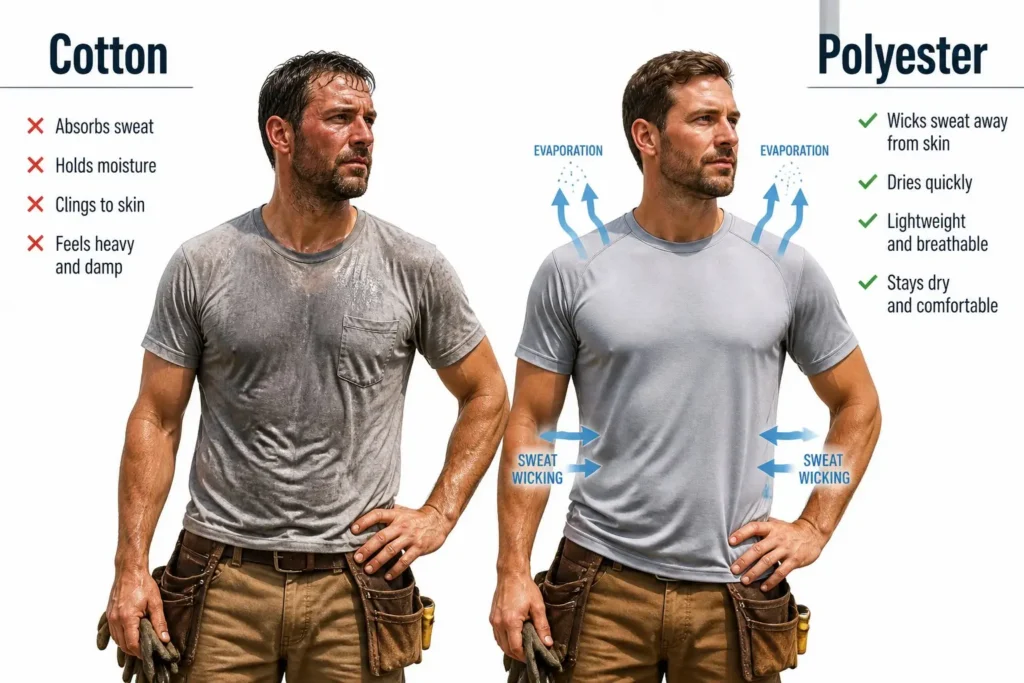
Does polyester make you sweat? Polyester doesn’t cause more sweating than cotton. Instead, it moves sweat away from the skin to the fabric’s surface, where it evaporates. This moisture-wicking process helps you feel drier compared to cotton, which absorbs and holds sweat.
This is one of the clearest differences in the polyester vs cotton sweat comparison. Cotton acts like a sponge, soaking up moisture and holding onto it. Polyester acts more like a channel, moving moisture through the fabric so it can evaporate quickly.
For jobs involving heavy physical labor, like roofing, landscaping, or pressure washing, that difference adds up. A moisture wicking fabric keeps you drier for longer stretches, which can also help reduce chafing and discomfort during long shifts.
Durability & Longevity
Which fabric lasts longer? Polyester generally lasts longer than cotton. It resists stretching, shrinking, fading, and fiber breakdown, even after repeated washing with detergent or bleach. Cotton fibers weaken over time, especially with frequent exposure to chemicals and high heat.
Durable fabric matters a lot for businesses buying uniforms in bulk. Every wash cycle puts wear on the fibers, and cotton’s natural structure breaks down faster under repeated laundering, especially in industrial or high-frequency wash settings.
Polyester’s synthetic fibers hold their shape and strength much longer. This is a major reason polyester workwear is common in uniform programs where shirts need to survive months or years of daily wear, washing, and exposure to the elements.
Polyester vs Cotton for Summer
Which fabric is better in summer heat? For summer, polyester with moisture-wicking technology generally performs better during physical activity, since it pulls sweat away from the body. Cotton can feel cooler at rest but becomes heavy and damp once you start sweating.
Polyester vs cotton for summer really comes down to activity level. If you’re relaxing in the shade, cotton’s breathable, lightweight feel is pleasant. But if you’re working outside under direct sun, moving constantly, and sweating heavily, polyester’s quick-dry properties help regulate body temperature more effectively.
Many modern polyester shirts also include UV protection clothing features, which adds another layer of value for anyone spending full shifts outdoors.
Polyester vs Cotton for Work Shirts
Which fabric is better for work uniforms? Polyester is generally better for work uniforms because it resists wrinkles, dries quickly, holds up to frequent washing, and maintains its appearance longer than cotton. This makes it a practical choice for custom work shirts worn daily.
When choosing polyester vs cotton for work shirts, think about what a workday actually involves: sweat, movement, sun exposure, dirt, and frequent washing. Polyester is built to handle all of that without losing shape or color.
Business owners who order work shirts in bulk also benefit from polyester’s consistency. Shirts stay wrinkle-free out of the dryer, colors stay vibrant through repeated washes, and sizing stays consistent, which matters when outfitting an entire team.
Polyester vs Cotton for Pressure Washing
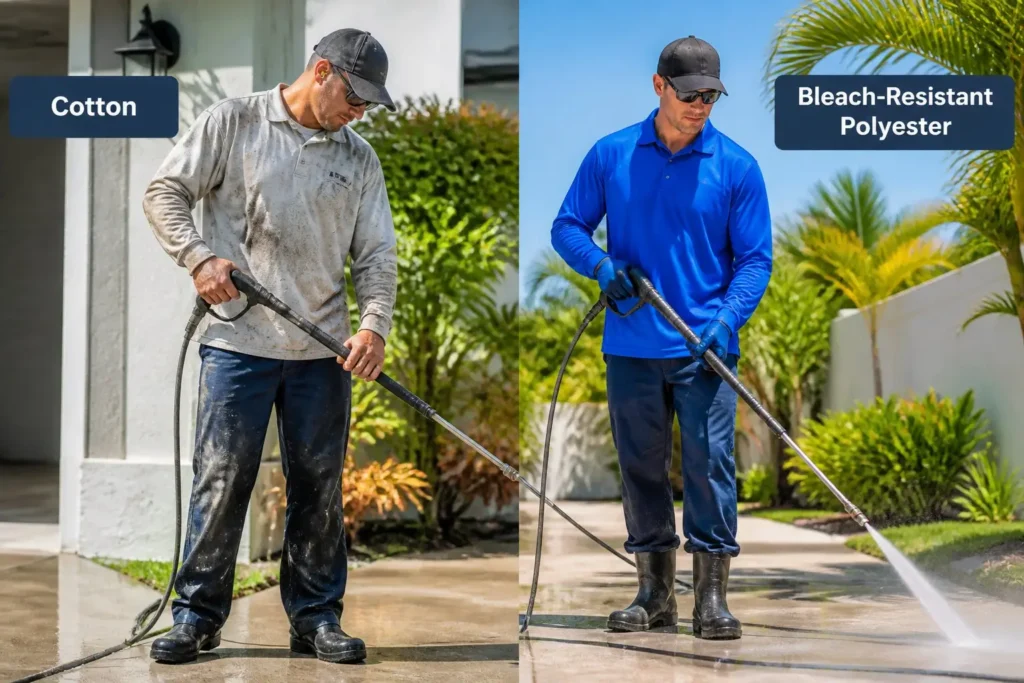
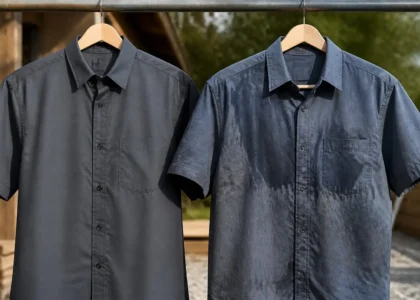
Which fabric is best for pressure washing? Polyester is the better choice for pressure washing because it resists bleach, chemical exposure, and moisture buildup far better than cotton. Cotton breaks down faster when repeatedly exposed to cleaning solutions and bleach-based products.
Pressure washing, roof cleaning, and pool service work often involve direct contact with bleach and other chemical solutions. Cotton fibers are especially vulnerable to this kind of exposure. Over time, bleach weakens cotton’s structure, leading to holes, discoloration, and faster fabric breakdown.
Bleach resistant shirts made from polyester hold up far better in these conditions. The synthetic fibers resist chemical breakdown, which means fewer replacement shirts and a more professional appearance for your crew, even after repeated exposure to bleach and cleaning agents.
This is one of the clearest cases where polyester vs cotton construction work comparisons favor synthetic fabric. Between chemical exposure, sun, sweat, and heavy movement, polyester is simply built for the job.
Pros and Cons
Polyester Pros:
- Excellent moisture wicking
- Fast drying
- Wrinkle resistant fabric
- Strong bleach and chemical resistance
- Long-lasting durability
Polyester Cons:
- Can feel less soft than cotton at rest
- May retain odor without moisture-wicking treatment
Cotton Pros:
- Soft, breathable feel
- Comfortable in mild conditions
- Widely available and affordable
Cotton Cons:
- Absorbs and holds moisture
- Slow to dry
- Prone to shrinking and wrinkling
- Breaks down faster with bleach exposure
Which Fabric Should You Choose?
Should I choose polyester or cotton? Choose polyester if you need durability, moisture control, and bleach resistance for outdoor or physical work. Choose cotton if comfort and breathability in mild, low-sweat environments matter more than performance under stress.
For pressure washing companies, roof cleaning crews, landscaping teams, pool service techs, auto detailers, and construction workers, polyester shirts tend to check more boxes. The combination of moisture wicking, quick drying, and chemical resistance directly supports the demands of these jobs.
If your business is outfitting a team, it’s also worth considering options like custom work shirts, moisture wicking shirts, or long sleeve work shirts built specifically with these fabric properties in mind. A polo shirt in a polyester blend, for example, offers a professional look while still delivering performance benefits.
Frequently Asked Questions
Is polyester better than cotton?
Polyester is better than cotton for durability, moisture wicking, and bleach resistance, making it ideal for work shirts and outdoor jobs. Cotton may be preferable for soft, casual comfort in mild, low-activity settings.
Does polyester make you sweat?
No, polyester doesn’t cause more sweating. It wicks moisture away from your skin to the fabric’s surface, helping sweat evaporate faster than it would with cotton, which absorbs and holds moisture instead.
Which fabric lasts longer?
Polyester generally lasts longer than cotton. It resists shrinking, fading, and fiber breakdown, even with frequent washing and chemical exposure, making it a more durable fabric for daily workwear.
Is cotton cooler than polyester?
Cotton can feel cooler at rest due to its breathable, absorbent texture. However, polyester with moisture-wicking properties often keeps you feeling cooler during physical activity by pulling sweat away from the body.
Which fabric is better for work uniforms?
Polyester is typically better for work uniforms because it resists wrinkles, dries quickly, and holds up to repeated washing and chemical exposure, keeping shirts looking professional longer than cotton.
Does polyester shrink?
Polyester rarely shrinks because its synthetic fibers hold their shape through washing and drying. Cotton, by comparison, is prone to noticeable shrinkage, especially after exposure to high heat.
Does cotton wrinkle more?
Yes, cotton wrinkles more than polyester. Its natural fibers lack the structure to resist creasing, while polyester’s synthetic fibers are inherently wrinkle resistant, even after washing and drying.
Which fabric dries faster?
Polyester dries significantly faster than cotton. Its fibers don’t absorb moisture the way cotton does, allowing sweat and water to evaporate from the surface instead of soaking into the material.
Is polyester good for outdoor work?
Yes, polyester is well suited for outdoor work. It offers moisture wicking, quick drying, UV protection clothing options, and durability, making it a practical choice for physically demanding outdoor jobs.
Which fabric is best for pressure washing?
Polyester is best for pressure washing because it resists bleach and chemical exposure far better than cotton, reducing fabric breakdown and helping shirts maintain their appearance through repeated use.
Conclusion
When comparing polyester vs cotton, there isn’t a single fabric that’s best for every situation. Cotton remains an excellent option for casual wear, offering natural softness and everyday comfort. However, when durability, moisture control, quick drying, and resistance to wrinkles and chemicals are priorities, polyester consistently delivers better performance.
For businesses that rely on professional work uniforms such as pressure washing companies, roof cleaning crews, landscapers, construction workers, and pool service technicians polyester provides practical advantages that help uniforms last longer while keeping employees more comfortable throughout the workday.
If you’re investing in uniforms designed for demanding outdoor environments, moisture-wicking polyester work shirts and bleach-resistant shirts are often the most reliable long-term solution.