If you have ever worked outdoors on a hot day, you know how uncomfortable a sweat-soaked shirt can become. It may cling to your skin, feel heavy, and take a long time to dry. Moisture-wicking shirts are designed to help solve this problem by moving sweat away from your skin and allowing it to evaporate.
But how do moisture-wicking shirts work, and what makes them different from regular cotton shirts?
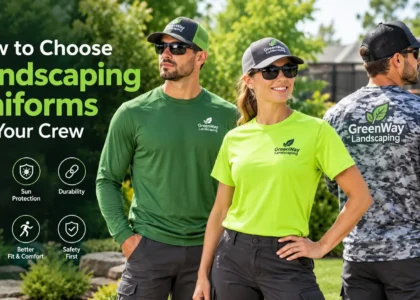
Moisture-wicking shirts use specially selected fibers, yarn structures, and fabric construction to transport liquid sweat through the material. This helps manage moisture, improve comfort, and reduce the damp feeling that can develop during physical activity. For people working outdoors, including landscaping, lawn care, and window cleaning crews, choosing the right work shirt can make a noticeable difference in everyday comfort.
What Are Moisture-Wicking Shirts?
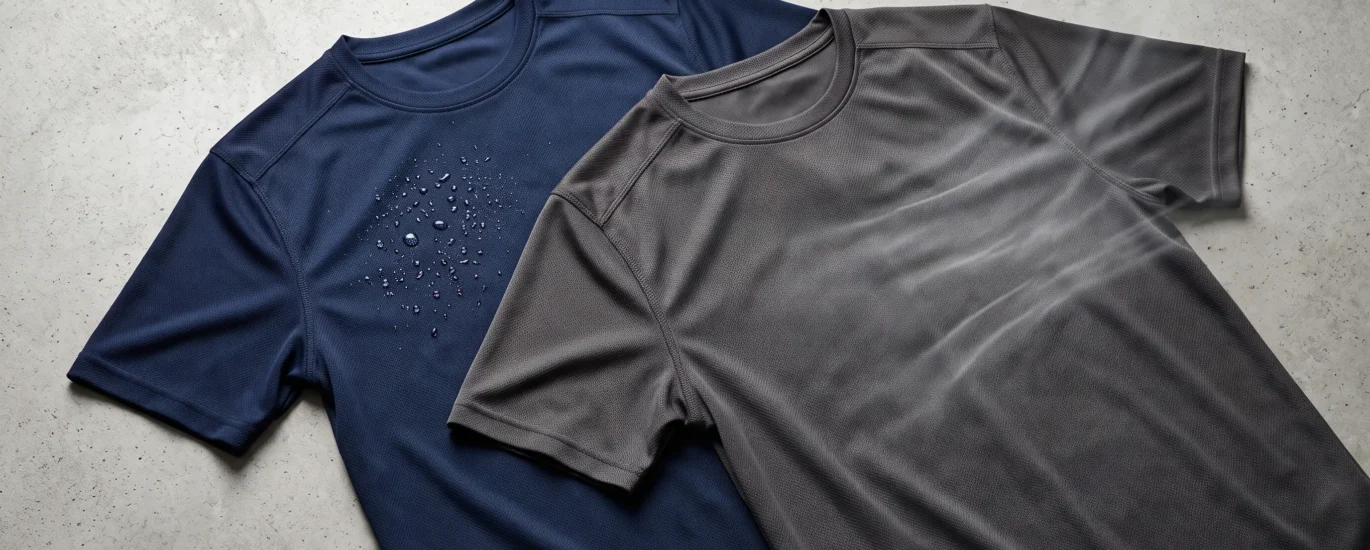
Moisture-wicking shirts are garments made from fabrics designed to move perspiration away from the skin toward the outer surface of the material, where it can spread out and evaporate.
Unlike fabrics that primarily absorb and retain moisture, many moisture-wicking textiles are engineered to transport liquid through tiny spaces between fibers and yarns. Polyester and nylon are common materials used in performance clothing, although the fabric’s construction and any moisture-management treatments also affect how well it performs.
Moisture-wicking shirts are commonly used for:
- Outdoor work and landscaping
- Lawn care and lawn maintenance
- Construction and other physically demanding jobs
- Sports, fitness, and running
- Cleaning and maintenance work
- Warm-weather uniforms for service businesses
The goal is not to prevent sweating. Sweating is a natural way for your body to regulate temperature. Instead, moisture-wicking clothing helps manage perspiration so your shirt is less likely to remain uncomfortably wet against your skin.
How Do Moisture-Wicking Shirts Work?
Moisture-wicking shirts work through a process called capillary action, which allows liquid to move through small spaces within a material. The fabric’s fibers, yarns, and overall structure create pathways that help transport sweat away from the body.
Here is how the process works.
1. Sweat Moves From Your Skin Into the Fabric
When your body heats up during physical activity, it produces sweat to help regulate its temperature. Some of this perspiration comes into contact with the inside of your shirt.
In a well-designed moisture-wicking fabric, the surface properties and spaces between the fibers help the liquid enter the material and begin moving through it.
2. Tiny Fabric Channels Transport Moisture
The spaces between fibers and yarns act as small pathways through which liquid can travel. Surface tension and the interaction between the liquid and the fabric help move moisture along these pathways.
This movement is known as capillary action.
Think of a paper towel touching a small spill. Water spreads through the material rather than remaining in one spot. Moisture-wicking fabrics use a related principle, although their fiber chemistry and construction are specifically designed for textile performance.
3. Sweat Spreads Across the Fabric
As moisture moves through the material, it can spread across a larger surface area. This distribution helps expose more of the liquid to the surrounding air.
How effectively a shirt spreads sweat depends on its fiber type, yarn structure, knit or weave, and any treatments applied during manufacturing.
4. Moisture Evaporates Into the Air
Once sweat reaches an exposed surface, it can evaporate. Evaporation removes heat from the surface where it occurs, helping support the body’s natural cooling process.
The result is a shirt that may feel less damp and clingy than a garment that holds moisture close to the skin.
However, moisture-wicking does not guarantee that a shirt will always feel dry. High humidity, limited airflow, heavy perspiration, and the fabric’s construction can all affect drying performance.
What Fabrics Are Used in Moisture-Wicking Shirts?
Not all fabrics manage sweat in the same way. Understanding the most common materials can help you choose a shirt that suits your activity and working conditions.
Polyester
Polyester is widely used in performance shirts because it is lightweight, durable, and generally absorbs relatively little moisture into the fiber itself.
When polyester is combined with an appropriate yarn structure and fabric construction, sweat can move along the fibers and through the spaces between them. Many performance shirts also use specialized fiber shapes or moisture-management finishes to improve liquid transport.
Polyester is a popular option for workwear because it can combine moisture management with durability and support for printed designs.
Nylon
Nylon is another synthetic fiber used in performance clothing. It can offer a smooth feel, flexibility, and good strength.
Its moisture-management performance depends on the particular fiber, yarn, and fabric design. Nylon is not automatically more moisture-wicking than polyester, so it is worth checking the specifications of the finished garment rather than relying on the fiber name alone.
Cotton
Cotton is a natural fiber that readily absorbs moisture. This can make cotton shirts comfortable for everyday wear, but a cotton shirt may retain considerable sweat during strenuous activity.
When the fabric becomes saturated, it can feel heavy, damp, and clingy. Depending on its thickness and the surrounding conditions, it may also take longer to dry than a lightweight performance shirt.
Cotton is not inherently a poor choice for every situation. The right option depends on the activity, climate, personal comfort, and how much perspiration the garment needs to manage.
Polyester-Cotton Blends
Polyester-cotton blends combine properties of both fibers. Depending on the blend ratio and fabric construction, they may offer a balance of comfort, durability, moisture absorption, and drying performance.
However, a polyester-cotton blend should not automatically be considered moisture-wicking. Its actual performance depends on how the fabric is engineered.
Moisture-Wicking vs. Quick-Drying vs. Breathable Shirts
These terms are often used together, but they describe different fabric properties.
| Property | What it means |
| Moisture-wicking | Moves liquid sweat away from where it first contacts the fabric |
| Quick-drying | Allows retained moisture to evaporate or leave the fabric relatively quickly |
| Breathable | Allows air or water vapor to pass through the material, depending on the property being measured |
| Moisture-absorbing | Takes moisture into the fibers or material structure |
A shirt can be moisture-wicking without drying especially quickly. Similarly, a breathable shirt does not necessarily move liquid sweat away from the skin efficiently.
For warm-weather workwear, it is helpful to consider all three properties: moisture management, drying performance, and breathability.
Fabric weight, fit, ventilation, and the intensity of the work also influence comfort.
Why Are Moisture-Wicking Shirts Useful for Outdoor Work?
Outdoor workers often deal with a combination of physical activity, changing weather, and long hours on the job. The right work shirt can help manage perspiration while supporting comfortable movement throughout the workday.
Landscaping and Lawn Care
Landscaping and lawn care can involve mowing, trimming, planting, lifting, and walking for extended periods. During warm weather, these activities can lead to considerable sweating.
Moisture-wicking shirts can help move perspiration through the fabric, reducing the damp feeling that may develop during active work.
If you manage a landscaping business, explore our custom landscaping shirts for workwear designed around crew branding and outdoor service needs.
You can also learn more about choosing suitable apparel for lawn maintenance through our lawn care shirts page.
Window Cleaning
Window cleaning often involves repeated reaching, climbing, carrying equipment, and working in direct sunlight. A lightweight shirt with suitable moisture management can help improve comfort during these tasks.
Breathability and freedom of movement matter too, particularly when workers are active throughout the day.
For industry-specific workwear options, visit our custom window cleaning shirts page.
Pressure Washing and Cleaning Crews
Pressure washing and cleaning professionals may work outdoors, move between jobs, and perform physically demanding tasks.
A comfortable work shirt can support everyday wear while helping businesses maintain a consistent professional appearance. When selecting workwear, consider the actual fabric specifications, durability, care instructions, and any protective clothing required for the chemicals or hazards involved.
Important: Moisture-wicking fabric is not a substitute for chemical-resistant or other protective clothing when a job requires specific safety protection. Always follow the relevant product and workplace safety instructions.
How to Choose the Right Moisture-Wicking Work Shirt
The best shirt depends on the work you do, the weather you work in, and the requirements of your business.
Consider these factors before choosing workwear.
1. Check the Fabric Composition
Look for clear information about the fabric’s fiber content and moisture-management features. Polyester is a common starting point for performance shirts, but the finished fabric’s specifications matter more than the material name alone.
2. Consider Breathability and Fabric Weight
A lightweight fabric may be more comfortable in hot conditions, especially when it also allows sufficient airflow. However, a very lightweight shirt is not necessarily the most durable option for every job.
Choose a fabric that balances comfort, durability, and the demands of your work.
3. Look at Fit and Freedom of Movement
A shirt should allow you to bend, reach, lift, and move without unnecessary restriction. Fit can also affect airflow and how the fabric feels against your skin.
4. Review Care Instructions
Follow the manufacturer’s washing and drying recommendations to help maintain the garment’s appearance and performance.
For many performance fabrics, avoiding fabric softener is advisable because residue can interfere with moisture transport. Always check the care label for the specific garment.
5. Consider Branding and Customization
For service businesses, uniforms do more than provide everyday workwear. They help customers identify your crew and create a consistent brand image.
Custom shirt designs can incorporate your company logo, brand colors, and other appropriate business details. Before ordering, review the available styles, design process, and product specifications to make sure the garments suit your team’s needs.
If you are planning custom work shirts for your crew, visit Design Now to explore the customization process and request a digital mockup.
Do Moisture-Wicking Shirts Keep You Cool?
Moisture-wicking shirts can help you feel more comfortable by moving sweat away from your skin and allowing it to spread and evaporate. Because evaporation removes heat, effective moisture management can support your body’s natural cooling process.
However, moisture-wicking shirts do not actively refrigerate your body or guarantee a lower body temperature.
Your comfort also depends on airflow, humidity, fabric weight, fit, physical activity, and exposure to direct sunlight. In hot and humid conditions, sweat evaporates more slowly, even when the shirt transports moisture effectively.
For outdoor work, choose clothing suitable for the environment and follow appropriate heat-safety practices, including taking breaks, drinking water, and using required protective equipment.
Frequently Asked Questions
How do moisture-wicking shirts work?
Moisture-wicking shirts use fabric structures and fiber properties that help transport sweat away from the skin. Tiny spaces between fibers and yarns support capillary action, allowing moisture to spread across the material and evaporate.
Are moisture-wicking shirts better than cotton shirts?
For strenuous activity and sweaty conditions, a well-designed moisture-wicking shirt may feel lighter and dry faster than a cotton shirt that retains considerable moisture. Cotton can still be comfortable for everyday use, so the best choice depends on the activity and personal preference.
What is the best material for moisture-wicking shirts?
Polyester is a common choice because it is lightweight, durable, and suitable for engineered moisture-management fabrics. Nylon and certain wool fabrics can also manage moisture effectively. Actual performance depends on the fiber, fabric construction, and garment design.
Do moisture-wicking shirts dry quickly?
Many moisture-wicking shirts are designed to spread moisture across the fabric, helping it evaporate. However, wicking and drying are different properties. Humidity, airflow, fabric thickness, and the amount of sweat all affect how quickly a shirt dries.
Are moisture-wicking shirts good for hot weather?
They can be a useful option for hot weather, particularly when the fabric is lightweight and breathable. However, high humidity can slow evaporation, so moisture-wicking fabric alone cannot guarantee that you will feel cool or stay dry.
Can I use moisture-wicking shirts as work uniforms?
Yes. Moisture-wicking shirts can be suitable for many types of work uniforms, including landscaping, lawn care, window cleaning, and other active service jobs. Choose garments based on their actual fabric specifications, durability, fit, and workplace requirements.
How should I wash moisture-wicking shirts?
Follow the garment’s care label. Many performance shirts can be machine-washed using an appropriate detergent, and fabric softener is often best avoided because it can leave residue on performance fibers. Proper care helps preserve the fabric’s intended properties.
Choose Work Shirts That Fit Your Crew’s Needs
Moisture-wicking shirts work by transporting perspiration away from the skin and helping it evaporate from the fabric. The process depends on capillary action, fiber properties, and fabric construction rather than simply on whether a shirt is labeled as performance wear.
For landscaping, lawn care, window cleaning, and other active service businesses, choosing work shirts with suitable moisture management, breathability, fit, and durability can help make long working days more comfortable.
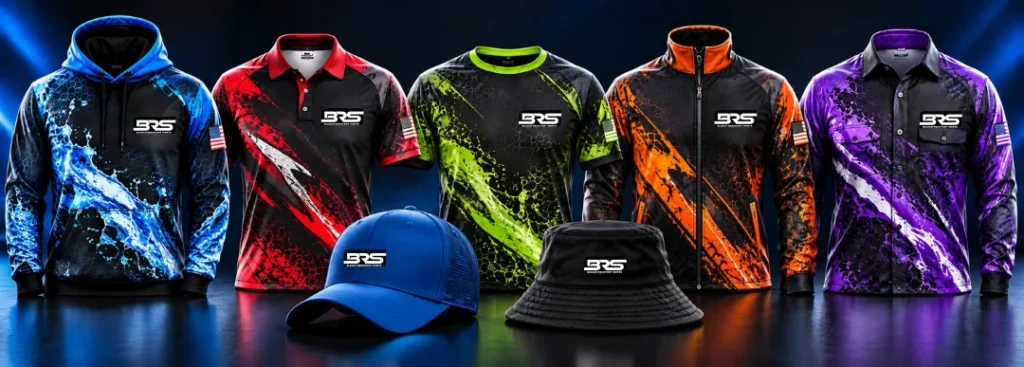
At Bleach Resistant Shirts, you can explore custom workwear options and create designs that reflect your business identity. Visit our Design Now page to explore customization options and request a digital mockup for your crew.