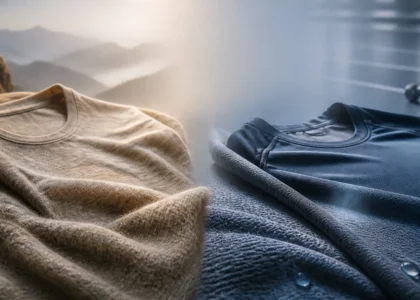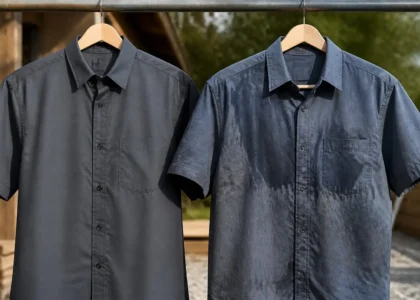
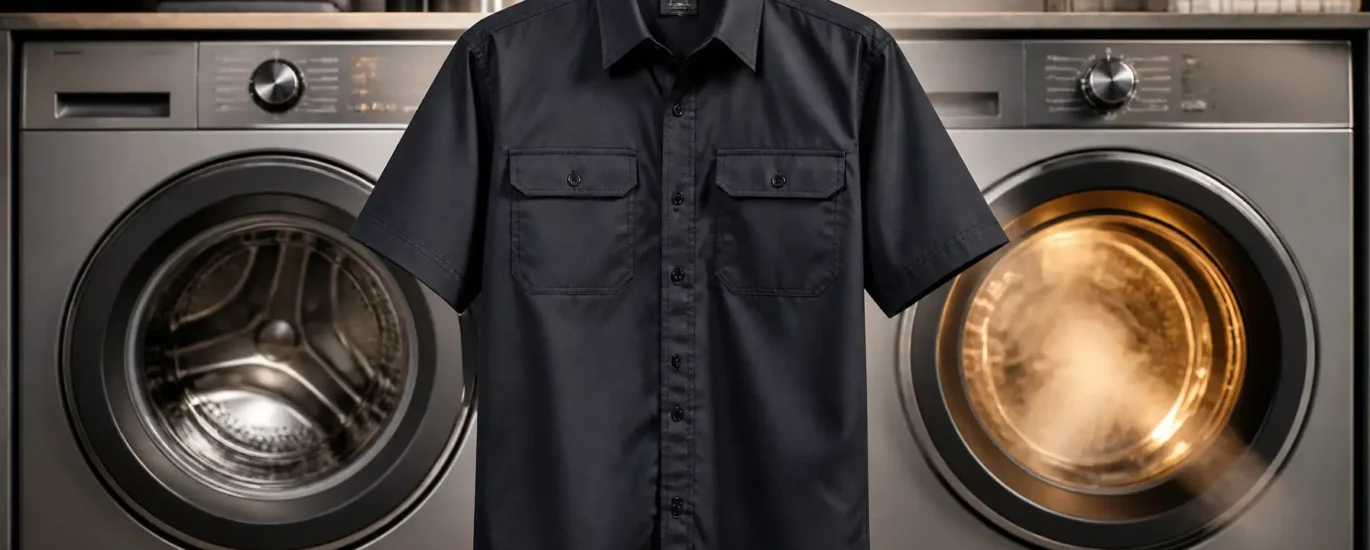
100% polyester does not shrink easily under normal washing and drying conditions. It’s a synthetic fiber that holds its shape far better than cotton, though extreme heat from a hot dryer cycle or high-temperature wash can cause minor shrinkage or fiber distortion over time. If you’re buying work shirts for your team, understanding how polyester behaves in the wash will help you choose uniforms that stay looking sharp, wash after wash.
That’s why polyester is widely used in custom work uniforms where durability, appearance, and consistent sizing matter.
Does 100% Polyester Shrink?
Polyester is a synthetic fiber engineered for durability, shape retention, and resistance to shrinking. Unlike natural fibers, polyester doesn’t absorb water the way cotton does, and that difference is the main reason it resists shrinking.
Cotton fibers are made of cellulose, which swells when it absorbs moisture and contracts as it dries this is what causes visible shrinkage over repeated washes. Polyester fibers are hydrophobic, meaning they repel water rather than soak it in. Because the fiber structure doesn’t swell and contract the same way, 100% polyester garments hold their original dimensions through normal washing.
That said, “shrink-resistant” doesn’t mean “shrink-proof.” Polyester fibers can still deform when exposed to high heat, since heat softens the polymer structure. Under normal laundering conditions, though, you can expect polyester work shirts to keep their fit wash after wash.
Why Polyester Shrinks Less Than Cotton
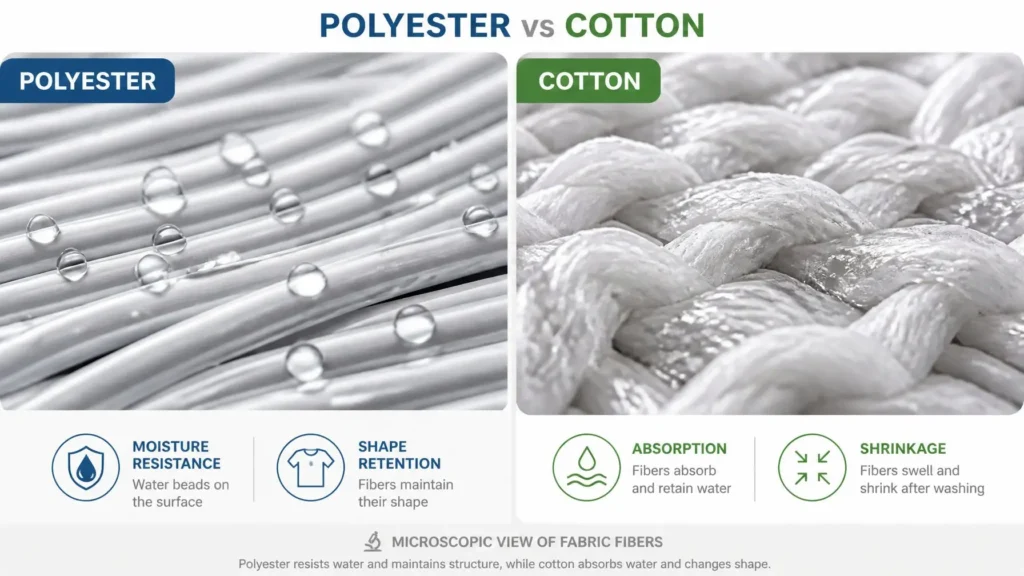
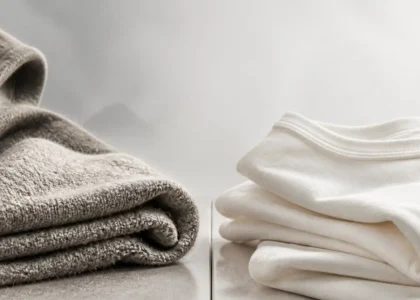
When comparing fabric performance for workwear, shrink resistance is one of the biggest differences between polyester and cotton.
| Feature | Polyester | Cotton |
| Fabric Type | Synthetic fiber | Natural fiber |
| Shrink Resistance | Excellent, holds shape after repeated washing | Lower, more likely to shrink over time |
| Water Absorption | Low, dries quickly | High, absorbs more moisture |
| Moisture Management | Better for sweat and active work environments | Holds moisture longer |
| Durability | High, handles frequent washing and daily wear | Comfortable but may wear down faster |
| Shape Retention | Maintains fit and appearance longer | Can lose shape after repeated washing |
| Drying Speed | Faster drying | Slower drying |
| Best For | Work uniforms, outdoor jobs, and frequent washing | Casual clothing and everyday wear |
Cotton fibers relax and tighten with every wash cycle, which is why cotton shirts often shrink noticeably after the first few washes. Polyester’s synthetic structure doesn’t go through that same relaxation process, so shirts keep their size and shape much more consistently.
For businesses that rely on uniforms, such as pressure washing crews, landscaping teams, cleaning companies, and automotive shops, this matters. Shirts get washed frequently, sometimes in industrial laundry settings, and a fabric that holds its size reduces the cost and hassle of replacing uniforms that no longer fit. This is one of the key reasons we break down fabric performance in more detail in our guide on Polyester vs Cotton: Which Fabric Is Better for Work Shirts?
Does Polyester Shrink in the Wash?
Under typical washing conditions, polyester shrinks very little, if at all. Cold or warm water washes are unlikely to cause any noticeable change in size.
A few factors that can influence shrinkage in the wash:
- Water temperature — hot water can soften polyester fibers slightly, increasing shrink risk.
- Wash cycle intensity — aggressive agitation on a heavy-duty cycle can stress the fabric over time.
- Repeated washing — while polyester holds up well, hundreds of wash cycles combined with high heat can gradually affect fit.
For work shirts that go through frequent washing, using a normal or gentle cycle with cool to warm water is the safest way to preserve size and appearance.
Does Polyester Shrink in the Dryer?
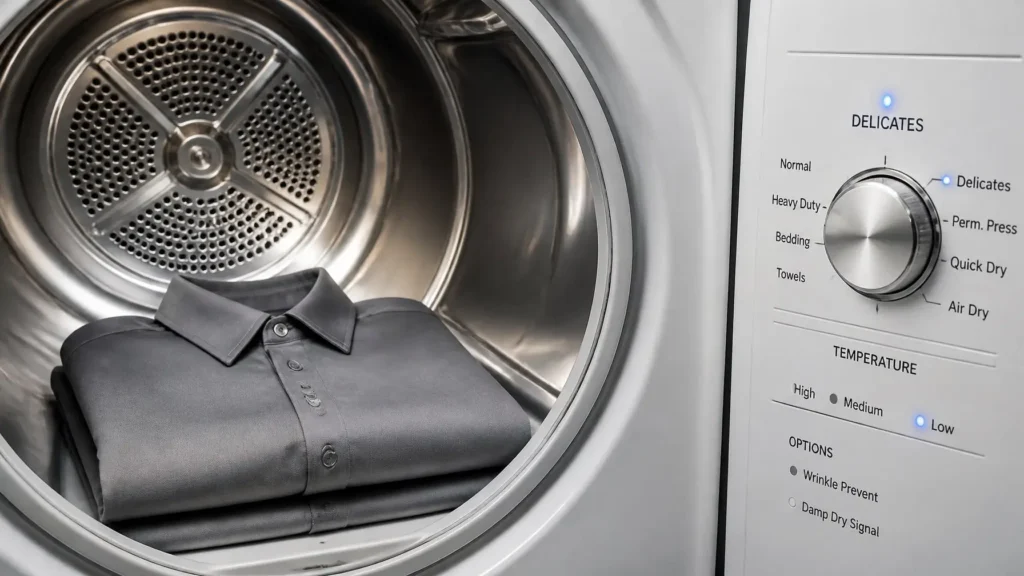
The dryer is where most polyester shrinkage actually happens. High heat is the biggest risk factor for polyester fabric, since heat can soften the fibers enough to cause slight contraction.
Tumble drying on high heat, especially over many cycles, can lead to gradual shrinkage or a change in the way the fabric drapes. Low heat or air drying is the safer choice for polyester work shirts, particularly ones with logos, reflective elements, or blended trims that are more heat-sensitive than the base fabric.
If your business runs shirts through a commercial dryer regularly, setting it to a low or medium heat setting will help uniforms keep their fit and finish for longer.
Does Polyester Shrink in Hot Water or With Heat?
Heat exposure whether from hot water, a hot dryer, or high-heat ironing is the main cause of polyester shrinkage.Polyester fibers can soften and lose their shape when exposed to excessive heat, especially during high-temperature drying so excessive heat can cause the fibers to soften and contract slightly.
Realistically, this doesn’t mean a single hot wash will ruin a shirt. Occasional exposure to warm water is unlikely to cause visible shrinkage. The risk increases with consistently high temperatures over many wash and dry cycles. For everyday care, keeping temperatures moderate is enough to avoid any meaningful shrinkage.
Do Polyester Blends Shrink?
Polyester-cotton blends behave differently than 100% polyester. Because these fabrics contain natural cotton fibers, they inherit some of cotton’s shrink tendency just less than a pure cotton shirt would.
- Higher polyester percentage (like 65/35 poly-cotton) — shrinks less, holds shape well.
- Higher cotton percentage (like 50/50 blends) — more likely to shrink slightly, especially in hot water or high heat drying.
- 100% polyester — the most shrink-resistant option of the three.
If minimizing shrinkage is a priority for your uniform program, a higher polyester content fabric or 100% polyester will give you the most predictable, consistent fit over time.
How Much Does Polyester Actually Shrink?
Under normal care, quality 100% polyester garments usually experience minimal shrinkage that is often barely noticeable. This is a small fraction of what cotton can shrink under similar conditions, where shrinkage of 3-5% or more is common after the first few washes.
The key takeaway for buyers: polyester work shirts sized correctly at purchase should continue to fit properly through regular washing, as long as high heat is avoided during drying.
How to Wash Polyester Work Shirts Properly
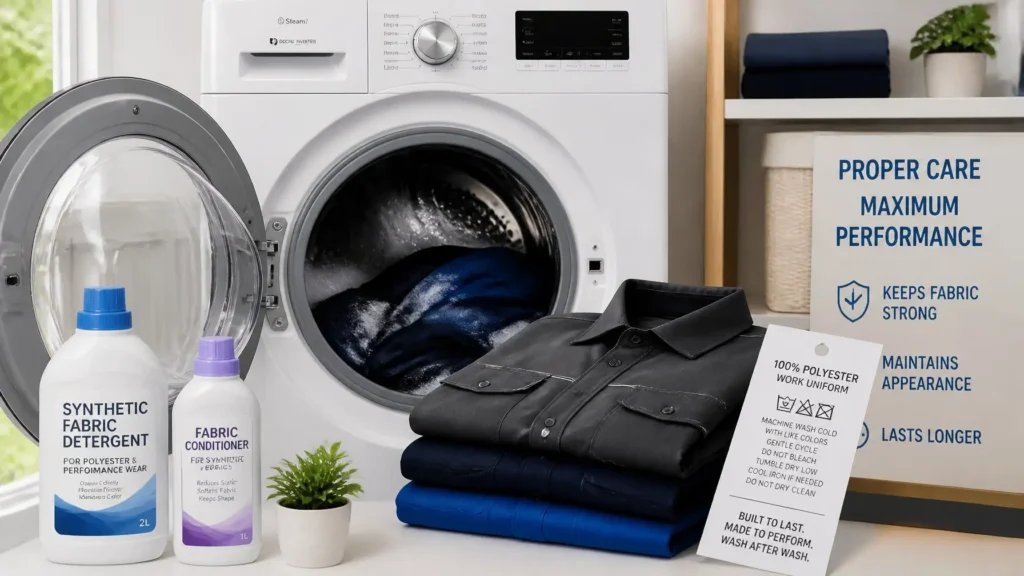
Following a few simple care steps will keep polyester uniforms looking professional and fitting consistently:
- Wash in cool or warm water — avoid hot water cycles when possible.
- Use a mild detergent — heavy detergents and fabric softeners can affect moisture-wicking properties.
- Avoid high heat drying — use a low or medium heat setting, or air dry when practical.
- Remove shirts promptly — leaving shirts in a hot dryer for extended periods increases heat exposure.
- Wash similar colors together — this helps preserve appearance, especially for branded or bleach-resistant fabrics.
These steps are especially useful for businesses managing uniforms through industrial laundry services, where wash and dry settings should be checked to avoid unnecessary heat exposure.
Why Polyester Is Popular for Work Uniforms
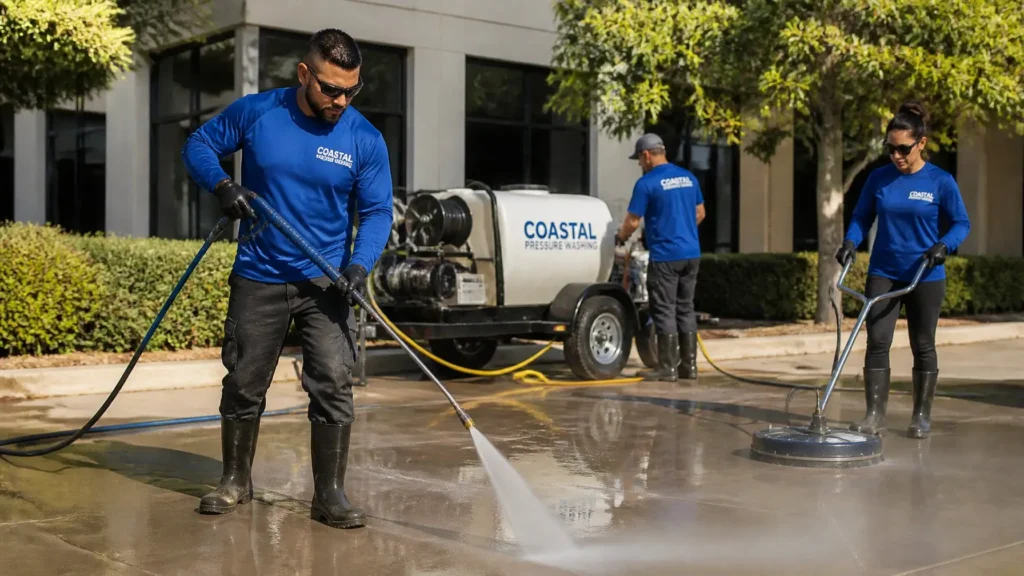
Polyester has become a go-to fabric for work shirts and uniforms across a wide range of industries and shrink resistance is just one of the reasons why.
Key advantages for workwear:
- Minimal shrinking — shirts keep their fit through repeated washing, reducing replacement costs.
- Durability — synthetic fibers hold up well against wear, abrasion, and frequent laundering.
- Moisture-wicking performance — polyester pulls sweat away from the body, which matters for physically demanding jobs.
- Professional appearance — shirts resist wrinkling and maintain a clean, put-together look throughout a shift.
- Consistency across a fleet of uniforms — for teams, having every shirt hold size and shape uniformly matters for a professional brand image.
These qualities make polyester a strong fit for industries where uniforms take a beating pressure washing, landscaping, cleaning services, and automotive work all involve heavy activity, exposure to the elements, and frequent washing. A fabric that resists shrinking and holds up to industrial laundering helps businesses maintain a consistent, professional appearance without constantly replacing uniforms.
Frequently Asked Questions (FAQ)
Does polyester shrink on the first wash?
Typically not. 100% polyester is designed to hold its shape from the first wash onward, unlike cotton, which often shrinks noticeably the first time it’s washed.
Does polyester shrink a lot?
No. Polyester shrinks minimally under normal washing and drying conditions, usually less than 1-2%, and often not enough to be noticeable.
Does polyester shrink more than cotton?
No, polyester shrinks significantly less than cotton. Cotton’s natural fibers absorb water and contract more with each wash, while polyester’s synthetic structure resists this process.
Can heat shrink polyester shirts?
Yes. High heat is the main cause of polyester shrinkage, whether from hot water, high-heat drying, or ironing. Moderate heat during care avoids this issue.
Does polyester shrink in a tumble dryer?
It can, especially on high heat settings over repeated cycles. Using a low or medium heat setting in the dryer helps prevent shrinkage and keeps shirts fitting properly.
Does polyester shrink if washed in hot water?
Hot water alone usually will not cause major shrinkage, but repeated exposure combined with high dryer heat can affect polyester fibers over time.
Choose Durable Polyester Work Shirts
Need work shirts that hold their shape after repeated washing? Our bleach-resistant polyester work shirts are built for pressure washing, cleaning, landscaping, and automotive teams.