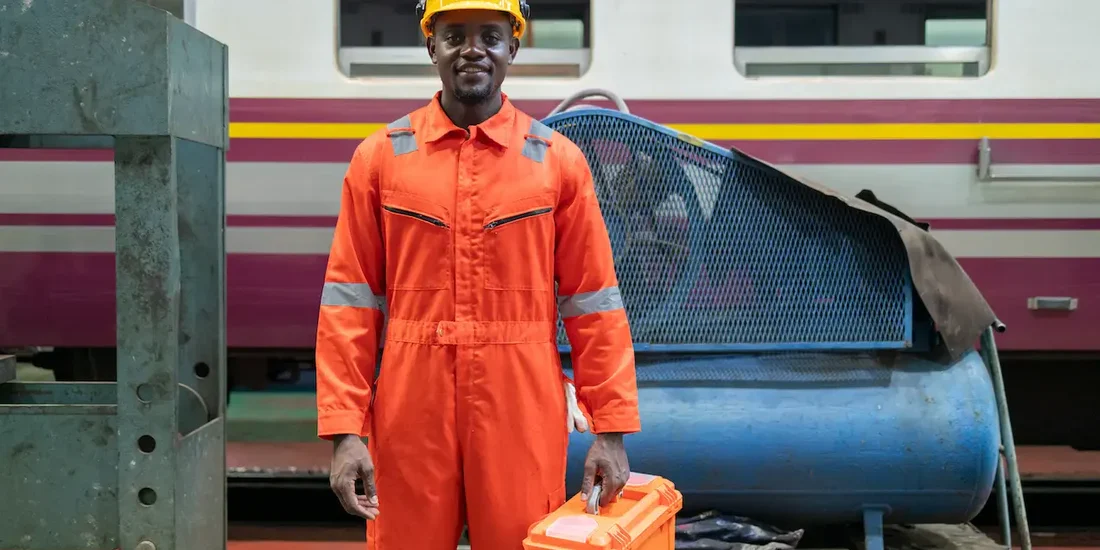
Some jobs are dangerous. Workers face fire, sparks, and extreme heat every day. Welders, electricians, oil workers, and factory workers all face these risks. One mistake can cause bad burns or worse. The shirt you wear can save your life or make things worse.
Regular shirts catch fire easily. Cotton burns fast. Polyester melts onto your skin and causes terrible burns. Normal clothes become very dangerous in risky workplaces. Workers need special protection.
Flame-resistant shirts are made differently. The fabric doesn’t catch fire easily. If flames touch the shirt, it stops burning quickly. It won’t melt on your skin. These shirts give you extra seconds to get away from danger. This can be the difference between small burns and serious injuries.
What Flame-Resistant Actually Means
Some people think flame-resistant means fireproof. Nothing is truly fireproof. Even the best protective clothes can burn with enough heat and time. But flame-resistant fabric acts very differently when it meets fire.
Regular cotton shirts catch fire fast when a spark lands on them. The fire spreads quickly. Even when you move away from the flames, the shirt keeps burning. This keeps burning your skin and causes worse injuries.
Flame-resistant fabric works differently. When flames touch it, the fabric might turn dark but it doesn’t burst into flames. Even better, when you move away from the heat, the fabric stops burning by itself. It goes out within seconds.
This saves lives. Those few seconds when the fabric stops burning give you time to take off the shirt, get to safety, or use safety equipment. Regular fabric keeps burning, turning a small accident into a big emergency.
The protection is built into the fabric. It doesn’t wash out over time. Good flame-resistant shirts keep protecting you through hundreds of washes.
Who Needs These Shirts
Welders create intense heat and sparks fly everywhere. These sparks land on clothes and equipment. A regular shirt catches these sparks and starts burning. Welders must wear flame-resistant clothes to avoid burns every single day.
Electricians work with high voltage that can cause electrical flashes. These create sudden bursts of extreme heat. The flash happens so fast you can’t move away in time. Your clothing is your only protection in that split second.
Oil and gas workers face many fire dangers. Flammable materials are everywhere. Equipment can spark. Gases can catch fire. When accidents happen here, they happen fast and involve serious fire. Proper clothes are required, not optional.
Chemical plant workers handle materials that can catch fire or explode. A chemical spill plus a spark creates immediate fire danger. Workers need every bit of protection possible.
Factories with hot processes put workers at constant risk. Molten metal, hot equipment, and industrial heat create fire dangers all day long.
Why Regular Shirts Are So Dangerous
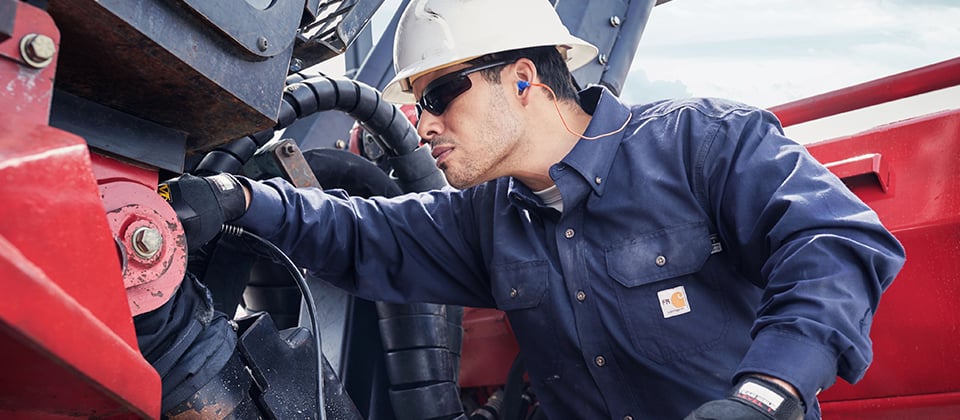
Cotton seems safe because it’s natural. Many workers like cotton because it’s comfortable. But cotton catches fire very easily. A small spark becomes flames in seconds. Once cotton starts burning, it burns fast and hot.
Polyester and synthetic fabrics are even worse. These don’t just burn – they melt. The melted plastic sticks to your skin and keeps burning. This causes some of the worst burn injuries because you can’t just take off the fabric. It’s melted into your skin.
Regular shirts also don’t fit right for safety. Loose shirts can catch on equipment or wave near flames. Thin fabric gives no protection against heat. Workers might think they’re being careful, but accidents happen in seconds without warning.
Some workers try to save money by wearing regular shirts instead of protective gear. This is a terrible gamble. One accident can cause injuries that change your whole life. Medical bills, time off work, pain, scars, and permanent damage – all from trying to skip proper safety equipment.
What Makes Good Flame-Resistant Shirts
The fabric is everything. Different materials give flame resistance in different ways. Some fabrics are naturally flame-resistant. Others are treated with special chemicals that make them protective. Both work well.
The shirt must meet safety standards. Look for ratings like NFPA 2112 or ASTM standards. These prove the shirt has been tested and really works. Don’t trust shirts that don’t show their safety ratings clearly.
The fit matters for safety and comfort. The shirt should fit close enough that it won’t catch on things, but loose enough that you can move freely. Too tight makes work hard. Too baggy creates dangers. The right fit balances safety with being able to do your job.
Comfort is important too. Workers who are uncomfortable might take off their protective gear. Modern flame-resistant shirts are made to be comfortable. They breathe well, move with you, and don’t feel too different from regular shirts once you get used to them.
The Chemical Problem Nobody Talks About
Here’s something most people don’t think about. Many dangerous workplaces also have harsh chemicals, oils, and cleaners. Regular flame-resistant shirts protect from fire but still get ruined by chemical splashes.
Workers in refineries, chemical plants, and factories need protection from fire AND chemicals. Buying shirts that handle flames but get destroyed by chemicals means replacing expensive gear all the time. Bleach and cleaners make white spots and stains. Shirts look bad and you have to replace them early.
Bleach Resistant Shirts Work saw this problem and fixed it. We made flame-resistant shirts that also resist chemicals including bleach and industrial cleaners. Our shirts give you fire protection plus protection against the chemicals you use every day.
This combination saves a lot of money. Flame-resistant shirts already cost more than regular shirts. Having to replace them often because of chemical damage makes it even more expensive. Our shirts last much longer in real working conditions.
Workers also look professional the whole time they wear the shirt. Chemical stains make even expensive safety shirts look cheap and old. When your protective gear looks good, workers take better care of it and feel proud wearing it.
How to Wash These Shirts
Wash these shirts the right way to keep them protective. Always follow the care instructions on the tag exactly. Use mild soap without bleach or fabric softener. These can reduce flame resistance. Wash in warm water, not hot.
Never use bleach on regular flame-resistant shirts. It destroys the protection and ruins the shirt. But our shirts at Bleach Resistant Shirts Work are made to handle bleach, so you can clean them easily without losing safety.
Dry on low or medium heat, or hang them up to dry. High heat can damage some flame-resistant materials. Check the tag for the right temperature. Take shirts out of the dryer right away to reduce wrinkles.
Check shirts often for damage. Look for tears, worn spots, or thin areas. Damaged areas might not protect you. Replace shirts that show a lot of wear even if they seem okay otherwise. Your safety depends on the whole shirt being in good shape.
Store shirts properly when not using them. Hang them up or fold them neatly. Keep them away from oils and chemicals that might hurt the fabric. Clean, well-kept protective gear lasts longer and protects better.
The Real Cost of Cheap Shirts
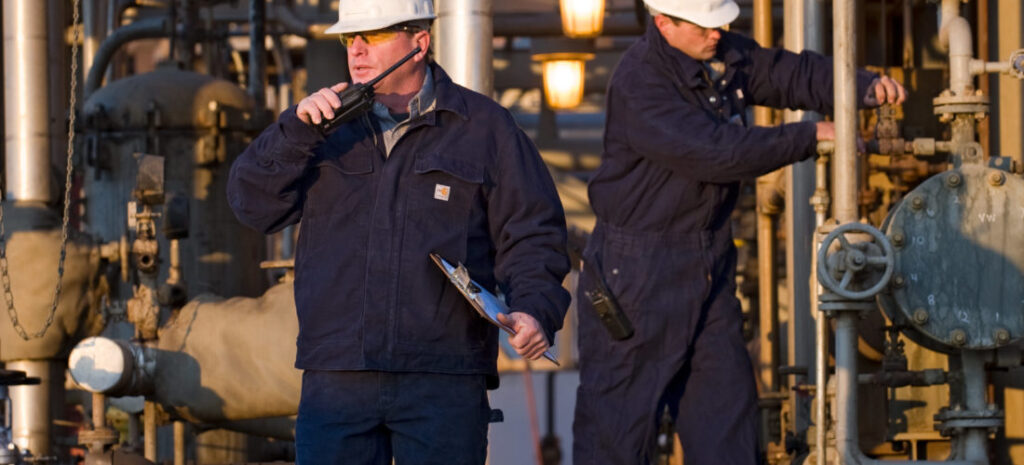
Some companies try to save money by giving workers cheaper shirts instead of proper flame-resistant gear. This puts workers at terrible risk and actually costs more later. One workplace accident means insurance claims, medical bills, lawsuits, higher insurance costs, and lost work time.
Beyond money, there’s the human cost. Burn injuries cause extreme pain. They need a lot of medical treatment. Bad burns mean multiple surgeries and months of recovery. Scars can be permanent and life-changing. No money saved on cheaper shirts is worth this.
OSHA requires proper protective equipment for workers in dangerous places. Companies that don’t provide proper flame-resistant clothing get serious fines. More importantly, they’re responsible when workers get hurt because of bad protection.
Workers sometimes don’t want to wear protective gear because it feels different or seems unnecessary on normal days. But accidents don’t warn you first. The day you skip your flame-resistant shirt might be the day something goes wrong. That’s exactly when you need protection most.
Picking the Right Shirts
Start by looking at the actual dangers in your workplace. What fire risks exist? How close do workers get to flames, sparks, or extreme heat? What chemicals are around? Understanding your risks helps you pick shirts with the right protection.
Check which safety rules apply to your industry. Different jobs have different requirements. Make sure any shirts you buy meet those standards. Certifications prove the shirt will actually protect your workers.
Think about the work environment beyond fire risk. Is it hot? Cold? Do workers sweat a lot? Are they outside? The most protective shirt won’t help if workers won’t wear it because it’s too uncomfortable. Modern flame-resistant shirts come in different types for different places.
Think about how long shirts last and total cost. Cheap flame-resistant shirts might meet basic standards but fall apart quickly. Quality shirts from Bleach Resistant Shirts Work cost more at first but last much longer, especially where there are chemicals. Calculate cost per year, not just the buying price.
Ask the workers who will wear the shirts. They know what works in their daily jobs. They can tell you about comfort problems or practical issues. Workers who help pick their gear are more likely to wear it correctly.
Safety Must Come First
Flame-resistant shirts aren’t just another cost. They’re essential safety equipment that protects your workers. Every person who goes home safe is worth far more than the cost of proper clothes.
Modern flame-resistant shirts work better than ever. They’re more comfortable, last longer, and give excellent protection. There’s no reason to use bad safety gear or make workers choose between comfort and protection.
Bleach Resistant Shirts Work provides flame-resistant shirts that go beyond basic protection. Our shirts resist flames and chemicals, giving workers complete protection for real working conditions. We use quality materials that last through hard daily use. We design for comfort so workers actually want to wear their protective gear.
Your workers face real dangers every day. Give them the best protection possible. Don’t cut corners on safety equipment. Don’t use shirts that barely meet minimum standards. Don’t make workers wear gear that gets ruined by the chemicals they work with.
Pro Tip: Flame-resistant shirts are not fireproof, but they react very differently from normal clothing when exposed to heat. Instead of burning fast or melting onto your skin, they self-extinguish within seconds after you move away from the heat. Those few seconds can prevent serious burns, give you time to escape, and make the difference between a small injury and a life-changing accident.
Choose flame-resistant shirts that truly protect. Choose quality that lasts. Choose comfort that workers like. Choose Bleach Resistant Shirts Work and know your team has the protection they need and deserve.