In an industrial facility, there is no such thing as a “clean” day.
Between the hydraulic lines, heavy machinery, and lubricating oils, grime is just part of the atmosphere. But while your hands can be washed and your tools can be wiped down, your uniform is a different story.
If your crew is wearing standard cotton work shirts on the plant floor, you are failing the “Grease Test.”
Cotton is a natural fiber, which makes it comfortable. But in an industrial setting, its greatest strength is its greatest weakness: Absorbency. When a drop of hydraulic fluid hits a cotton shirt, it doesn’t just sit there—it soaks in deep, spreads out, and stays there forever.
Here is why relying on standard cotton in high-grease environments is a bad investment for your image and a potential risk for your safety.
The “Wick Effect” and Flammability
We often think of stains as just cosmetic, but in an industrial setting, a stain is often fuel.
Cotton acts like a wick. When it absorbs oil, grease, or solvent, it pulls that flammable liquid deep into the fibers of the shirt. Even after a wash cycle, some of that residue often remains.
If a technician is working near sparks, welding equipment, or high heat, a cotton shirt saturated in oil is a serious safety liability. It transforms a piece of clothing into a potential accelerant.
The Permanent Shadow
Beyond safety, there is the issue of professionalism. We have all seen the “mechanic’s shadow”—that dark, permanent stain across the stomach or chest of a work shirt.
Once oil penetrates cotton, it bonds with the fibers. No amount of detergent will get it 100% out. This means your technicians start their shift looking dirty before they have even turned a wrench.
In client-facing industrial roles—like facility maintenance or field service—this “grungy” look signals a lack of care. If your technician looks like they don’t maintain their own gear, the client wonders if they will maintain the expensive machinery properly.
The Solution: Oil-Repellent Armor
Industrial work requires industrial-grade fabric. The solution isn’t to buy cheap shirts and throw them away when they get too greasy; the solution is to wear shirts that repel the grease in the first place.
At Bleach Resistant Shirts, our industrial performance line is engineered with advanced stain-release technology.
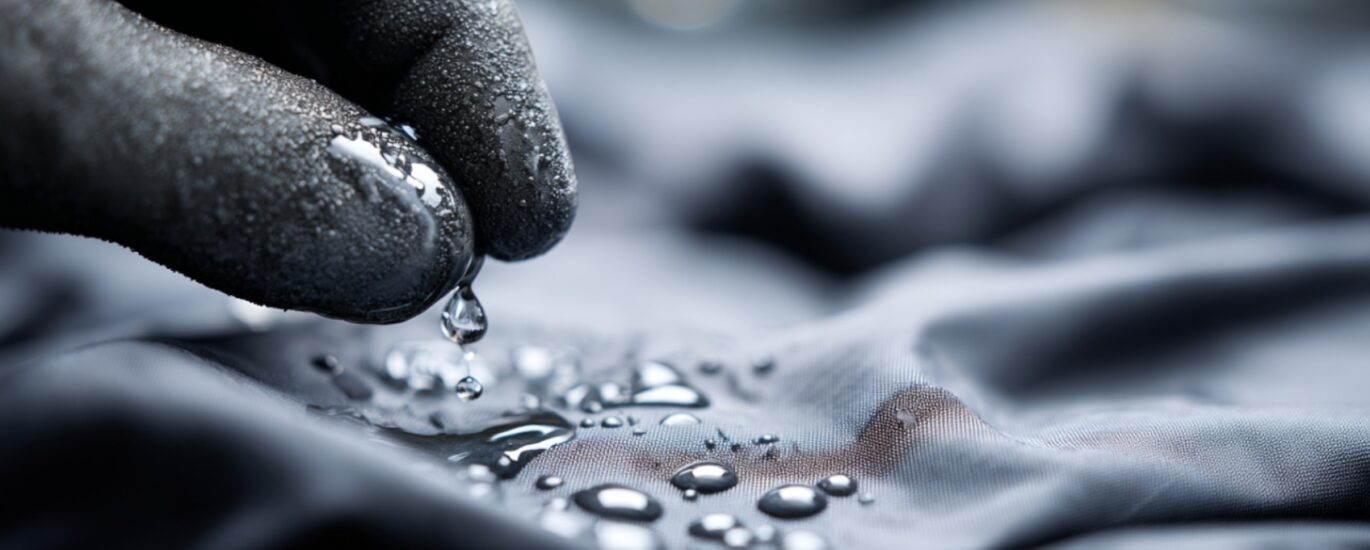
- Beads Up, Rolls Off: When hydraulic fluid or oil hits our fabric, it doesn’t soak in. It beads up on the surface, allowing the technician to wipe it away before a stain forms.
- Wash It Clean: For the grime that does stick, the fabric is designed to release contaminants in the wash rather than holding onto them, meaning the shirt comes out looking fresh every time.
- Stay Safe: By keeping flammable liquids on the shirt rather than in the shirt, you reduce the risk of wearing a fuel-soaked uniform.
Keep the Grime on the Machine, Not the Man
You can’t change the environment, but you can change the gear. Stop accepting permanent stains as the “cost of doing business.”
Upgrade to a uniform that fights off the fluids, keeps your crew safe, and maintains a sharp, professional edge in the grittiest conditions.
Design your Industrial Work shirt today.