When you work hard, you sweat. That’s normal. But sweating doesn’t mean you need to feel wet and uncomfortable all day. The right shirt pulls sweat away from your body and dries fast.
Regular cotton shirts soak up sweat like a sponge. They stay wet for hours. They stick to your skin. They feel heavy. On hot days, they make everything worse. Workers in kitchens, hospitals, warehouses, and outside jobs know this problem well.
Moisture-wicking shirts are different. They move sweat away from your skin to the outside of the shirt. Then it dries quickly. You stay drier and cooler no matter how hard you work.
How These Shirts Actually Work
Think about a regular cotton shirt. When you sweat, the cotton soaks it up and holds it. The shirt gets wetter and heavier as you work. It takes forever to dry. You feel wet and uncomfortable your whole shift.
Moisture-wicking shirts work in a better way. They’re made with special fabric that doesn’t soak up water. Instead, the fabric spreads your sweat across the outside of the shirt. This helps it dry much faster.
When sweat dries, it cools you down. If sweat just sits on your skin, you don’t get cool. But when the shirt pulls sweat away and dries it, you feel cooler. This is why these shirts work so well.
You still sweat the same amount. But you don’t feel wet. Your shirt doesn’t stick to you. You stay cooler even when you’re working really hard.
Who Needs These Shirts Most
Restaurant workers stand in hot kitchens all day. Grills, fryers, and ovens make the kitchen very hot. When it gets busy, workers sweat a lot. These shirts help them stay comfortable and focused.
Warehouse workers move boxes and packages all day. Many warehouses don’t have air conditioning. Walking and lifting for hours makes you sweat. These shirts keep workers dry and comfortable.
Hospital workers wear uniforms for twelve hours or more. They walk between rooms, help patients, and stay on their feet all day. These shirts help them stay fresh and look professional from start to finish.
Outside workers face the hardest conditions. Sun, heat, and hard physical work make you sweat heavily. A good shirt makes a huge difference between feeling okay and feeling miserable.
Even office workers need these shirts if they do any physical work. Moving equipment, working in storage areas, or any active tasks make you sweat. Anyone who sweats at work will feel better in these shirts.
What Makes a Good Moisture-Wicking Shirt
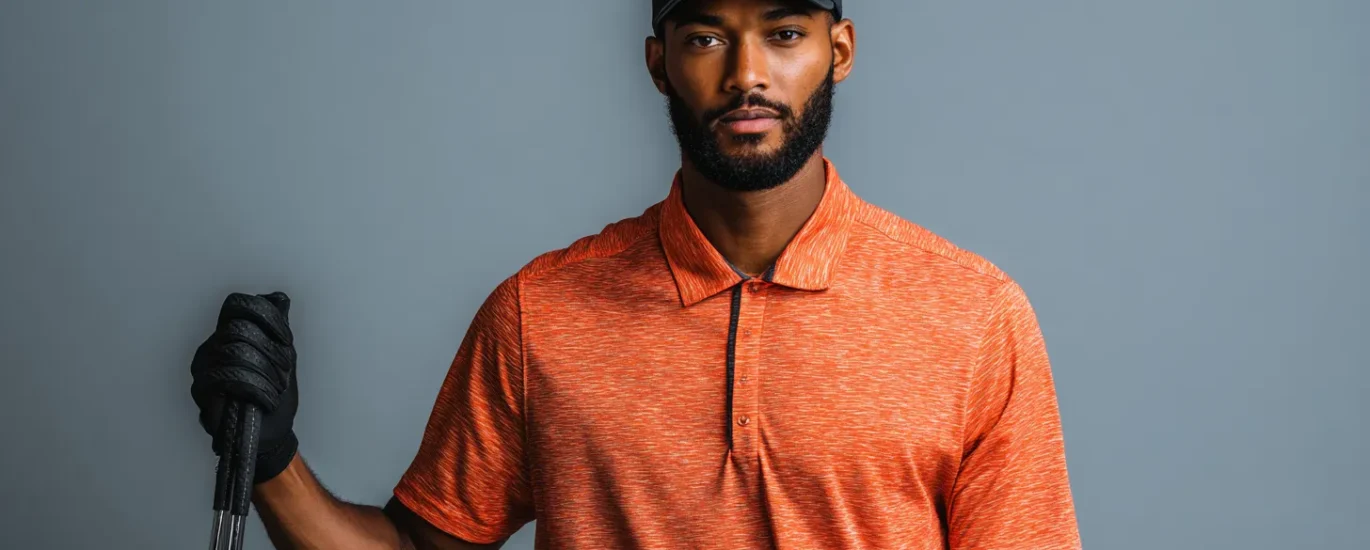
The fabric is the most important part. Most of these shirts use polyester or a mix of polyester and cotton. Pure polyester is great at moving sweat but might feel different on your skin. A blend with some cotton feels softer while still working well.
The fit matters a lot. The shirt needs to touch your skin to pull sweat away. Too loose and it doesn’t work as well. Too tight and it’s uncomfortable. The best shirts fit close but still let you move freely.
Air flow helps a lot too. When air can move through the fabric, sweat dries even faster. Some shirts have special air holes in the back or under the arms where you sweat most.
Smell control is important. When you sweat all day, bacteria can grow and cause bad smells. Good shirts have special treatment that stops bacteria. This keeps you smelling fresh even after hard work.
The shirt needs to be strong. Work shirts get washed often and take a beating. Good stitching and strong fabric mean your shirt lasts for months, not just weeks.
The Chemical Problem Most Companies Ignore
Here’s something most moisture-wicking shirts can’t handle. They work great with sweat but break when chemicals touch them. Restaurant workers use strong cleaners and sanitizers. Hospital workers use disinfectants all the time. Cleaning crews work with bleach every day.
One splash of bleach ruins a normal shirt immediately. It makes white spots on dark colors. Your shirt looks terrible. You feel embarrassed. Companies waste money buying new shirts constantly.
Bleach Resistant Shirts Work saw this problem and fixed it. We made shirts that wick away sweat AND resist bleach and harsh chemicals. Our fabric pulls moisture away while staying strong against tough cleaning products.
This matters so much for some jobs. Hospital workers stay cool and dry without worrying about sanitizer spray ruining their shirts. Restaurant workers get both benefits – staying dry and protection from kitchen chemicals. Cleaning crews finally have shirts that handle sweat and bleach.
No other company gives you both. Regular moisture-wicking shirts can’t handle chemicals. Regular bleach-resistant shirts don’t keep you dry. We made shirts that do both because workers need both.
Choosing the Right Color
Dark colors are smart for most jobs. Navy, black, and dark gray hide stains better. They look professional even when you’re doing dirty work. They also don’t show sweat marks as much as light colors.
Light colors work better in very hot sun. White and light gray reflect heat instead of soaking it up. This can help you stay a bit cooler outside. But they show dirt easily, so only use them for cleaner jobs.
Some workplaces need specific colors for their brand or safety rules. Bright red, blue, or yellow serve special purposes. The good news is moisture-wicking works the same no matter what color you pick.
Short Sleeves or Long Sleeves
Short sleeves are best for most hot work. They let air hit your arms, which helps you cool down. They feel cooler and let you move freely. Most workers prefer short sleeves when it’s hot.
Long sleeves are good for some reasons. They protect your arms from the sun when you work outside. They give you a barrier from chemicals or rough materials. Some jobs require long sleeves for safety or to look more professional.
Think about your job when you decide. Kitchen workers usually want short sleeves to stay cool. Hospital workers might pick long sleeves to look more professional. Outside workers think about sun protection even though long sleeves are warmer.
How to Wash These Shirts
Washing is easy. Use regular soap in cold or warm water. You don’t need hot water. Skip fabric softener completely – it makes the shirt stop working right by coating the fabric.
Don’t use bleach on regular moisture-wicking shirts. It destroys the fabric and ruins how they work. But our shirts at Bleach Resistant Shirts Work can handle bleach because they’re made differently.
Drying is simple. Put them in the dryer on low heat or hang them up. They dry much faster than cotton shirts. Many people wash them at night and wear them again the next day.
You don’t need to iron these shirts. High heat can damage the fabric. Plus, they don’t wrinkle much anyway, especially if you take them out of the dryer right away.
These Shirts Save You Money
Yes, good moisture-wicking shirts cost more at first. A cheap cotton shirt might cost eight dollars. But it wears out fast, shrinks, or gets stained in a few weeks. You buy ten or twelve new shirts every year. That’s eighty to ninety dollars per person each year, and the cheap shirts never work well.
A quality shirt from Bleach Resistant Shirts Work costs more to start. But it lasts six months to a year. Buy two or three per worker and you’re done for the year. You actually spend less money total, and workers stay comfortable every single day.
Think about work performance too. Comfortable workers work better. They focus more. They move faster. They have more energy throughout the day. They take fewer breaks to cool down. They’re happier at work. The better performance alone makes these shirts worth it.
How to Start Using Better Shirts
Start with workers who need them most. People in the hottest places or doing the hardest physical work should get them first. Let them try the shirts and tell other workers how much better they are.
Buy different sizes for different people. These shirts should fit fairly close to work best. Sizing matters more than with loose cotton shirts. Many companies order a few test shirts first before buying for everyone.
Give workers a few days to get used to the new shirts. They feel different than cotton. Some people love them right away. Others need time to notice how much drier they stay. After wearing them for a full shift, most workers never want to go back to cotton.
Good shirts last much longer than cheap ones. Watch for signs like stretched fabric, fading, or the shirt not working as well. Quality shirts from Bleach Resistant Shirts Work keep working great for many months.
Your Workers Deserve Better
Your workers are on their feet for hours every day. They work hard for your business. Good uniforms show you care about them and value their work.
Moisture-wicking shirts have been proven to work. Athletes use them. The military uses them. They work for everyday work too. Any job where you sweat, these shirts make sense.
Bleach Resistant Shirts Work goes further. We add chemical resistance that other shirts don’t have. For workers in restaurants, hospitals, and cleaning, this solves a huge problem. You get to stay dry AND protect your shirt from damage.
Stop thinking work shirts have to feel wet and heavy. Stop replacing shirts every few weeks because chemicals ruined them. Stop accepting that workers must be uncomfortable in hot conditions.
Better shirts exist right now. We solved these problems. You just need to choose to give your team better uniforms. Workers will notice the difference immediately. They’ll feel better and work better.
Pro Tip: Staying dry at work isn’t about sweating less, it’s about wearing the right shirt. Moisture-wicking fabric pulls sweat away from your skin so it can dry fast, keeping you cool and comfortable even on the hardest shifts. When that same shirt also resists bleach and chemicals, you get long-lasting comfort and protection that regular cotton shirts can’t compete with.
Your team works hard. They deserve shirts that work hard too. Choose shirts that wick moisture and keep you dry. Choose shirts that resist chemicals. Choose Bleach Resistant Shirts Work and see how much difference quality makes.